
Bad Taste in Mouth After Surgery: Causes & Fast Relief
Medically reviewed for accuracy and based on current evidence based dental research. This content is for educational purposes and does not replace professional dental advice.
Bad taste in mouth after surgery? Discover the real causes, how long it lasts, and proven ways to get fast relief, plus warning signs to never ignore.
If your food suddenly tastes like metal, chemicals, or nothing at all after a procedure, you’re not imagining it. A bad taste in mouth after surgery is one of the most frequent complaints during recovery, and it catches people off guard because nobody warns you about it beforehand. This guide walks through why it happens, how long it usually sticks around, and what actually helps it clear faster, whether you just had general surgery, dental work, or a sinus procedure.
What Causes a Bad Taste in Mouth After Surgery
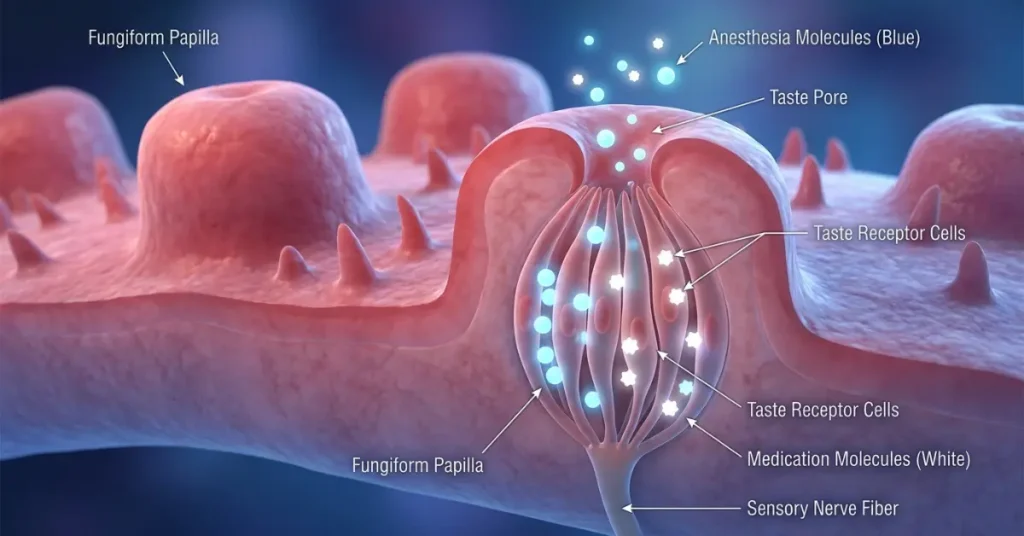
There’s rarely a single culprit. Usually it’s a mix of anesthesia residue, medication, dehydration, leftover blood, and minor irritation from surgical tools, all overlapping during the same recovery window.
The Anesthesia Itself
General anesthesia can temporarily affect the nervous system, smell, saliva production, and taste perception, leading to short-term changes in how food tastes. As these drugs clear your system, they can leave behind a flat, metallic, or chemical sensation that lingers for hours or days.
Medications and Drug Reactions
Antibiotics, opioid painkillers, and other post-surgical prescriptions are known to change how sensitive your taste buds are. Metronidazole in particular is notorious for a metallic or bitter aftertaste that clears up once the course finishes. Chlorhexidine mouth rinse, commonly prescribed after dental and oral surgery, is another frequent cause. It’s effective at controlling bacteria, but it commonly leaves a bitter, altered taste and can temporarily stain teeth with regular use.
Dry Mouth During and After the Procedure
Anesthesia slows saliva production, and saliva is what carries flavor molecules to your taste receptors in the first place. Less saliva means a drier mouth, and a drier mouth makes any odd taste feel stronger and more persistent.
Breathing Tubes and Airway Devices
If a breathing tube or laryngeal mask was used, it can press against your tongue and throat during the procedure. That pressure can cause mild irritation or temporary nerve compression, both of which affect how taste registers afterward.
Leftover Blood in the Mouth
Even a small amount of blood left in the mouth or throat after surgery, common after dental work, tonsil surgery, or intubation, can produce a distinct metallic taste until it’s fully cleared through swallowing, rinsing, and normal healing.
Acid Reflux After Anesthesia
Anesthesia and lying flat during a procedure can sometimes trigger or worsen acid reflux. When stomach acid moves back up the esophagus, it can leave behind a sour or bitter taste that’s separate from anesthesia or medication effects, and it usually settles down within a day or two as digestion returns to normal.
Is a Metallic Taste After Surgery Normal?
Yes, and it’s worth saying plainly: a metallic taste after surgery is a normal, well-recognized side effect, not a sign that your procedure went wrong. It’s typically the combined result of leftover anesthesia, medication residue, mild dehydration, trace blood, and minor tool-related irritation rather than any complication with the surgery itself.
Why Does Anesthesia Mess With Your Sense of Taste and Smell?
Much of what we perceive as “taste” actually comes from smell working alongside your taste buds. Anesthesia and airway irritation can temporarily dull your sense of smell, which makes food seem bland, flat, or metallic even when your taste buds themselves are working fine. This is why the odd taste often improves at roughly the same pace your sense of smell returns to normal.
Bad Taste After Specific Procedures
After Dental Surgery
Wisdom teeth removal, tooth extractions, and implant procedures are among the most common causes people search for. Dental procedures can cause a temporary bad taste because of blood, healing tissue, trapped food debris near the surgical site, and prescribed mouth rinses like chlorhexidine. Gentle rinsing and avoiding the extraction site while brushing usually helps it fade within a few days.
After Sinus Surgery
A lingering bad taste after sinus surgery is also very common. It’s usually related to nasal packing, mucus and drainage running down the back of the throat (post-nasal drip), and residual blood from the surgical site. This typically improves as swelling goes down and the sinuses finish draining.
How Long Does a Bad Taste Last After Surgery?
Timelines vary based on the type of surgery, the anesthesia used, and how your body typically heals.
| Time After Surgery | What to Expect |
|---|---|
| First 24 hours | Metallic or altered taste is common and often strongest |
| Days 2–3 | Taste gradually starts improving |
| Week 1 | Usually mild and less noticeable |
| Week 2 | Most people have returned to normal |
| Beyond 3 weeks | Worth contacting your doctor if it hasn’t improved |
| Cause | Typical Duration |
|---|---|
| General anesthesia residue | A few hours to 2–3 days |
| Antibiotic or painkiller side effect | Length of the medication course |
| Chlorhexidine mouth rinse | While using the rinse, fading shortly after stopping |
| Dry mouth or dehydration | Improves once fluids normalize |
| Leftover blood in the mouth | A few days |
| Intubation or airway irritation | A few days |
| Sinus packing or drainage | Until packing is removed and drainage clears |
| Acid reflux after anesthesia | A day or two |
| Nerve compression or swelling | 1–2 weeks, sometimes longer |
| Zinc or B12 deficiency | Several weeks, until levels correct |
Most people are back to normal taste within two weeks. Some cases stretch a bit longer if nerve involvement or ongoing medication is part of the picture. Permanent taste loss is extremely rare and almost always tied to direct nerve trauma rather than the anesthesia itself.
Common Types of Taste Changes After Surgery
Metallic Taste
This is the change people report most. It’s usually connected to residual blood in the mouth, certain antibiotics, chlorhexidine rinses, or anesthesia byproducts that circulate through saliva as your body processes them.
Bitter or Sour Taste
This one tends to trace back to medication side effects, acid reflux, or a buildup of bacteria in a mouth that hasn’t been brushed or rinsed normally during the first day or two of recovery.
Dysgeusia After Surgery: Distorted or Missing Taste
Dysgeusia is the medical term for a distorted sense of taste, while ageusia describes a temporary total loss of taste. Both are usually short-lived, connected to nerve compression, anesthesia effects, or swelling near the mouth and throat, and both typically resolve as the underlying cause settles down.
How to Get Rid of a Bad Taste After Surgery
Stay hydrated throughout the day. Saliva does the heavy lifting for normal taste function, so sipping water consistently, rather than drinking large amounts occasionally, helps flush out lingering anesthesia compounds and keeps your mouth from drying out further.
Practice gentle oral hygiene. Brush softly, steer clear of any surgical site, and clean your tongue. This clears out the bacteria and residue that often make a bad taste feel worse than it needs to.

Try warm salt water rinses. A teaspoon of salt dissolved in warm water reduces bacteria, soothes irritated tissue, and often improves taste noticeably within a day or two.
Be thoughtful about what you eat. Bland, overly processed food can make a lingering bad taste feel more intense. Mild but flavorful options, like broth, citrus-infused water, or ginger tea, tend to gently wake taste buds back up without overwhelming a sensitive mouth.
Add zinc-rich foods to your meals. Zinc plays a direct role in healthy taste function, and good food sources include beef, pumpkin seeds, beans, and oysters.
Skip smoking and alcohol. Both dry out the mouth and slow tissue healing, which prolongs the altered taste and raises infection risk at the same time.
Talk to your doctor about medications. If you suspect an antibiotic, painkiller, or mouth rinse is behind the taste change, ask about alternatives. Never stop a prescribed course on your own without medical guidance.
Warning Signs a Bad Taste Might Signal a Problem
Early signs worth watching:
- Taste lingers well past a week with no improvement
- Mild bad breath alongside the taste
- Slight swelling that isn’t going down
Signs that need attention sooner:
- Fever, pus, or a foul odor from the surgical site
- Pain that’s increasing instead of gradually easing
- Taste changes paired with numbness or facial weakness
If any of the second group shows up, it’s time to contact your surgical or anesthesia provider rather than waiting it out.
Misconceptions That Delay Treatment
“It’ll just go away on its own.” Usually true, but not a rule. Ignoring a worsening taste alongside pain or swelling can delay catching an infection early.
“No pain means no problem.” Some early infections and nerve irritations don’t hurt much at first, so a taste change by itself can be the earliest clue something needs a look.
“Mouthwash will fix it.” Alcohol-based mouthwash tends to dry the mouth out further and irritate healing tissue, which can make the taste worse instead of better. Even prescribed rinses like chlorhexidine can temporarily add to the altered taste before things improve.
When to Contact Your Doctor
Reach out if the bad taste:
- Lasts longer than two to three weeks without improvement
- Comes with fever, swelling, or discharge
- Is paired with numbness, tingling, or trouble swallowing
- Gets progressively worse instead of gradually fading
A quick call beats sitting through unnecessary discomfort, especially since most causes are simple to treat once identified.
Tips to Recover Faster and Prevent Taste Issues
- Keep water nearby and sip regularly instead of drinking in large amounts at once
- Eat small, nutrient-dense meals to support zinc and B12 levels, both tied to healthy taste function
- Rinse gently after meals rather than reaching for strong mouthwash
- Follow every post-operative instruction from your surgeon or anesthesiologist
- Give it time. Most taste disturbances after surgery resolve gradually as your body clears medication and finishes healing
Frequently Asked Questions
Why do I have a bad taste in my mouth after surgery?
A bad taste after surgery is usually caused by anesthesia, medications, dry mouth, blood, or the normal healing process. It often improves as your body recovers.
How long does a bad taste in your mouth last after surgery?
A bad taste in your mouth after surgery usually lasts a few days to two weeks, depending on the type of surgery, medications, hydration, and your healing process.
Is a bad taste in my mouth after surgery normal?
Yes, a temporary bad taste after surgery is common. Many people notice metallic, bitter, or unusual flavors due to anesthesia, medicines, or changes during recovery.
Can anesthesia cause a bad taste in your mouth?
Yes, anesthesia can temporarily affect your taste perception and may cause a metallic, bitter, or unpleasant taste after surgery.
How can I get rid of a bad taste in my mouth after surgery?
You can reduce a bad taste by drinking enough water, brushing and cleaning your mouth gently, using a saltwater rinse if approved, and maintaining good oral hygiene.
Can antibiotics cause a bad taste in the mouth after surgery?
Yes, antibiotics can cause a bitter or metallic taste as a side effect. This usually improves after completing the medication course.
Does dry mouth cause a bad taste after surgery?
Yes, dry mouth can reduce saliva flow and make unpleasant tastes stronger. Staying hydrated can help improve taste changes.
When should I worry about a bad taste after surgery?
You should contact your healthcare provider if the bad taste lasts longer than expected or occurs with symptoms like fever, worsening pain, swelling, or unusual discharge.
Can a surgical infection cause a bad taste in the mouth?
Yes, an infection can sometimes cause a foul taste, especially after dental or oral surgery. It may also come with swelling, pain, or other warning signs.
Why does everything taste metallic after surgery?
A metallic taste after surgery can happen because of anesthesia, medications, dry mouth, or temporary changes in your taste buds during recovery.
Final Thoughts
A bad taste in mouth after surgery is an unpleasant but genuinely common part of recovery. It’s almost always temporary, tied to anesthesia, medication, dehydration, leftover blood, or minor tool-related irritation rather than a serious complication. Staying hydrated, keeping up gentle oral care, eating zinc-rich foods, and watching for the warning signs above will get you back to enjoying food again as your body finishes healing.
This article is for educational purposes and does not replace professional medical advice. If you have concerns about symptoms after your surgery, contact your surgeon or anesthesia provider directly.