White Bump on Tip of Tongue: Causes & When to Worry
White bump on tip of tongue? Discover common causes, effective treatments, and warning signs that mean you should see a dentist.
Reviewed for medical accuracy against current dental and general-practice guidance. Last updated July 2026. This article is for general information only by teethnamee and does not replace a diagnosis from a licensed dentist or physician.
Quick answer: A white bump on the tip of the tongue is almost always an irritated taste bud, a minor injury, or a canker sore, and it clears up on its own within a few days. See a dentist if it lasts more than two weeks, keeps coming back in the same spot, or is hard, painless, and growing.
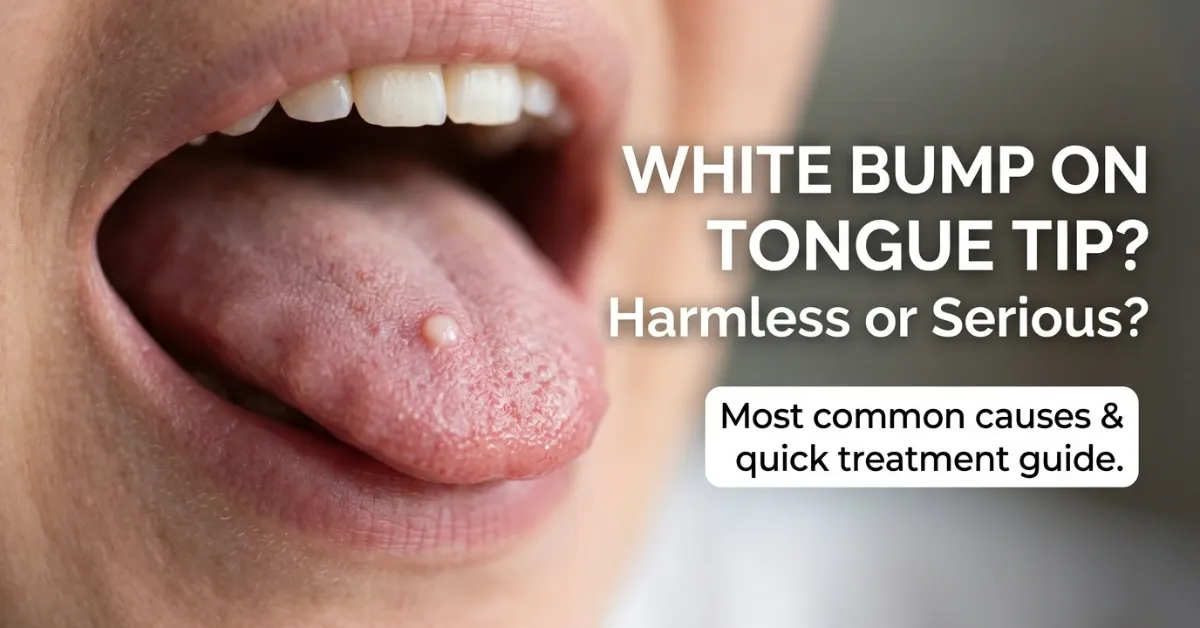
A white bump on the tip of the tongue is usually nothing to worry about. In most cases it is an irritated taste bud, a small injury, or a canker sore, and it clears up within a few days without any treatment. Less commonly, it can point to oral thrush, a swollen papilla, or, rarely, a condition called leukoplakia that needs a professional look.
This guide walks through why the bump shows up, what its appearance can tell you, how to treat it at home, and the specific signs that mean it is time to see a dentist or doctor. If you keep getting bumps in different spots on your tongue, not just the tip, the same causes and care tips still apply. We start with the tip specifically since that is the most common complaint people search for.
What a White Bump on the Tip of the Tongue Usually Means
The tip of the tongue is covered in small papillae, the tiny bumps that hold your taste buds. This area also takes the most day-to-day wear: biting, hot food, sharp or acidic flavors. That combination makes it a common spot for a single white bump to appear seemingly out of nowhere.
From most to least likely:
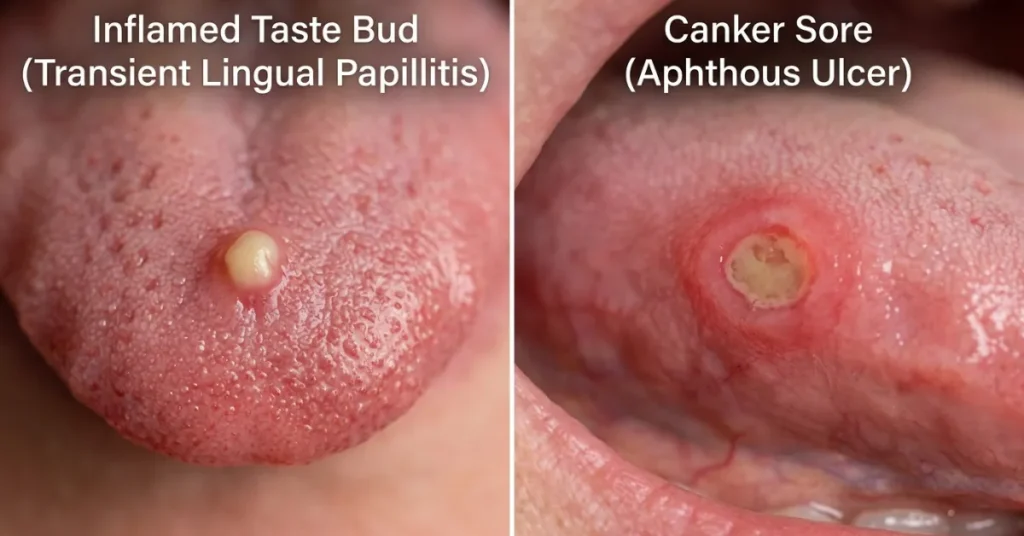
Inflamed taste bud (transient lingual papillitis, often called a “lie bump”). A single small white or red bump, often tender to the touch, that shows up suddenly and resolves within a few days on its own.
Minor trauma. Biting the tip of your tongue, or catching it on a sharp tooth, chipped filling, or braces bracket, can cause localized swelling that looks pale or white.
Canker sore (aphthous ulcer). A shallow sore with a white or yellow center and a red border. Generally more painful than a simple inflamed papilla.
Oral thrush. A fungal (candida) infection that produces creamy white patches, described in more detail by the Mayo Clinic. More common in infants, older adults, people with diabetes, and anyone using inhaled steroids or recovering from a course of antibiotics.
Leukoplakia. Thicker white patches that do not wipe away and do not resolve on their own, as outlined by the American Dental Association’s MouthHealthy resource. This is uncommon, but it is the one that warrants a dental check if a patch lasts more than two weeks, especially in people who smoke or use tobacco.
A general rule of thumb: a bump that follows an obvious trigger, spicy food, an accidental bite, a rough week of stress, and disappears in a few days is almost always harmless. A white patch that lingers, thickens, spreads, or does not hurt at all is the one worth having a professional look at.
Why Do I Keep Getting Bumps on My Tongue?
If bumps keep coming back, whether on the tip or elsewhere, it usually means the underlying trigger has not been addressed yet. Common causes include:
- Inflamed taste buds. Often triggered by stress, minor tongue injuries, spicy food, poor sleep, or hormonal shifts.
- Canker sores. The exact cause is not always clear, but stress, mouth injuries, and certain vitamin deficiencies are frequent contributors.
- Tongue injuries or biting. Accidental bites, burns from hot food or drinks, or irritation from sharp teeth or orthodontic hardware.
- Food sensitivities. Citrus fruits, tomatoes, pineapple, cinnamon, and nuts are commonly reported triggers. Avoiding foods that consistently cause a reaction can reduce flare-ups.
- Spicy, acidic, or very hot foods. These irritate the tongue’s delicate surface directly, no allergy required.
- Viral infections. Cold sores, hand-foot-and-mouth disease, and viral upper respiratory infections can all produce tongue sores or clusters of bumps that fade as the infection resolves.
- Bacterial infections. Less common, but can cause swelling, pain, and pus-filled bumps that need professional treatment.
- Oral thrush. A candida infection producing creamy white patches on the tongue and inner cheeks.
- Poor oral hygiene. Skipping regular brushing and tongue cleaning lets bacteria and food debris build up, raising irritation risk.
- Dry mouth. Low saliva flow encourages bacterial growth and can contribute to recurring discomfort.
- Vitamin deficiencies (B12, iron, folate). Can cause soreness, redness, a burning sensation, and recurring bumps.
- Smoking and tobacco use. Irritates oral tissue, slows healing, and raises the risk of more serious oral conditions over time.
- Stress and a weakened immune system. Higher stress levels are linked to more frequent lie bumps, ulcers, and infections.
- Rare causes, including oral cancer. Persistent white patches, firm lumps, or sores that will not heal can, in rare cases, signal something more serious and should never be ignored.
What Different Tongue Bumps Look and Feel Like
| Appearance | Likely Cause |
|---|---|
| White bump | Inflamed taste bud, oral thrush, leukoplakia, general irritation |
| Red bump | Inflamed taste bud, minor injury |
| Yellow bump | Healing sore or infection |
| Painful bump | Canker sore, trauma |
| Painless bump | Cyst or other non-inflammatory cause |
White bumps are most often a swollen taste bud, minor irritation, or, less commonly, a fungal infection. A patch that persists deserves a professional look.
Red bumps are usually inflamed taste buds following irritation or minor injury.
Painful bumps typically point to inflammation, ulceration, or infection.
Painless bumps are often harmless, but any painless bump that sticks around past two weeks should still be examined.
Location matters too. Bumps on the tip are most often irritated taste buds. Bumps toward the back of the tongue are more often enlarged papillae or linked to a throat infection.
How Tongue Bumps Are Diagnosed
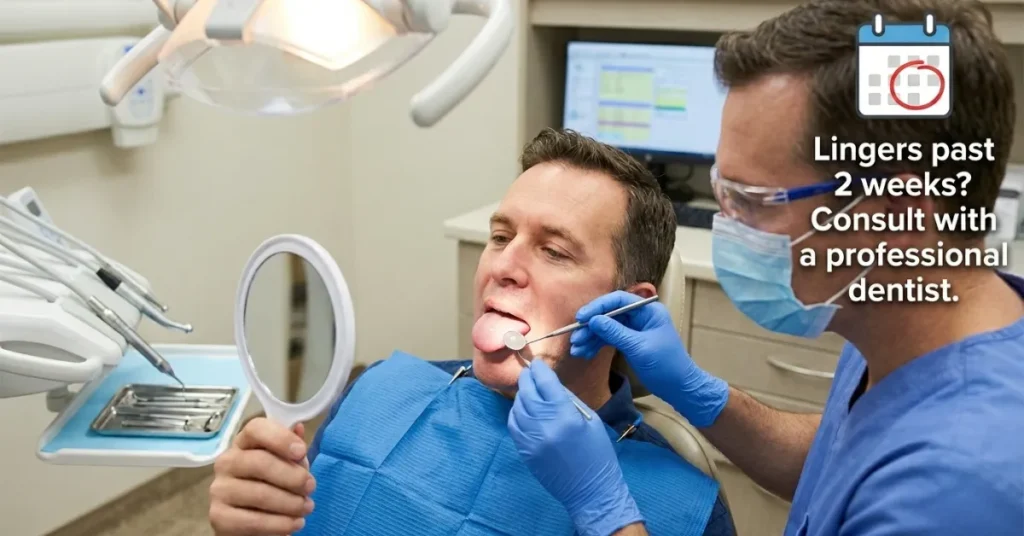
Most tongue bumps can be assessed with a straightforward visual exam by a dentist or doctor. They will typically check:
- Size, shape, and color of the bump
- How long it has been present
- Whether it is painful
- Any recent injury, illness, or dietary change
- Oral hygiene habits and general medical history
If a bump looks unusual or will not heal, a swab test to check for infection, or in rare cases a biopsy, may be recommended.

How to Treat a White Bump on the Tongue
Treatment depends on the cause. Most bumps improve with simple home care:
- Warm salt water rinse. Reduces irritation, keeps the area clean, and supports healing.
- Good oral hygiene. Regular brushing, flossing, and gentle tongue cleaning clears away bacteria and debris that fuel irritation.
- Avoid irritating foods. Skip spicy, acidic, very hot, or hard and crunchy foods until the area heals.
- Over-the-counter pain relief. Products with benzocaine (like Orajel) or hydrogen peroxide rinses can ease discomfort and help keep the area clean. Always follow the label instructions, and skip benzocaine products for children under two unless a doctor says otherwise.
- Antifungal treatment for oral thrush. If a fungal infection is the cause, prescription or over-the-counter antifungal medication clears it and helps prevent recurrence.
- Correcting vitamin deficiencies. Addressing low B12, iron, or folate levels often resolves related tongue symptoms, ideally under a doctor’s guidance rather than high-dose self-supplementation.
- Dental adjustment. If a sharp tooth, filling, braces, or dentures are the repeat cause, a dentist can smooth or adjust the source of friction.
How Long Does a White Bump on the Tongue Last?
| Type of Bump | Typical Healing Time |
|---|---|
| Inflamed taste bud | A few days |
| Minor injury | Several days to one week |
| Canker sore | One to two weeks |
| Oral thrush | Requires treatment to resolve |
| Persistent lump or patch | Needs professional evaluation |
Most harmless bumps clear up within a week. If a bump lasts more than two weeks, keeps growing, or becomes harder and more painful, get it checked.
When Should You See a Dentist or Doctor?
Book an appointment if you notice any of the following:
- A bump lasting longer than two weeks
- A lump that keeps returning in the same spot
- A hard or fixed bump that does not move
- Unexplained bleeding
- Difficulty swallowing or speaking
- Severe pain that is not improving
- Persistent white or red patches
- Numbness or unusual sensations in the tongue
Early evaluation helps identify the cause quickly and rules out anything more serious.
Seek urgent care instead of waiting for a routine appointment if a tongue bump comes with sudden swelling of the tongue or throat, trouble breathing, or a rapidly spreading rash, since these can signal a severe allergic reaction and need immediate attention.
Can You Prevent Recurring Tongue Bumps?
- Practice good oral hygiene. Brush twice daily, floss regularly, and gently clean your tongue.
- Stay hydrated. Water supports healthy saliva flow and helps prevent dry mouth.
- Eat a balanced diet. Prioritize foods rich in vitamin B12, iron, folate, and protein, along with fresh fruits and vegetables.
- Reduce tongue irritation. Watch for accidental biting, very hot food, chewing on hard objects, and harsh oral care products.
- Manage stress. Consistent sleep, exercise, and relaxation habits can lower the frequency of stress-related mouth problems, including recurring ulcers.
- Keep up with dental checkups. Routine visits catch problems early, before they become harder to treat.
Is a White Bump on the Tongue a Sign of Cancer?
Most white bumps are not cancerous. Irritated taste buds, minor injuries, and infections account for the large majority of cases. That said, a few signs are worth a closer look:
- A bump or patch that will not heal
- A lump that keeps growing
- A firm or hard area
- Persistent pain
- Unexplained bleeding
- Long-lasting white or red patches
If you notice any of these, schedule a dental or medical exam. Early assessment is the fastest way to rule out anything serious, and in the rare case something more is going on, catching it early makes a real difference.
Frequently Asked Questions
What causes a white bump on the tip of the tongue?
white bump on the tip of the tongue can be caused by an irritated taste bud, a minor injury, a canker sore, or irritation from spicy or acidic foods. Most causes are temporary and harmless.
Is a white bump on the tip of your tongue normal?
Yes, a small white bump on the tongue is often normal and usually results from temporary irritation or an inflamed taste bud. It typically improves on its own within a few days.
How do you get rid of a white bump on your tongue?
Most white bumps heal without treatment. Avoid spicy or acidic foods, keep your mouth clean, and avoid irritating or biting the area. If the bump persists or worsens, see a dentist or doctor.
Why do I keep getting white bumps on my tongue?
Recurring white bumps may be linked to repeated irritation, tongue biting, spicy foods, stress, or canker sores. If they frequently return, a dentist can help identify the underlying cause.
How long does a white bump on the tongue last?
Many minor tongue bumps disappear within a few days to about two weeks. The exact healing time depends on the cause. A bump that does not improve should be evaluated by a dental or medical professional.
When should I worry about a white bump on my tongue?
See a dentist or doctor if a white bump lasts longer than two weeks, keeps returning, becomes increasingly painful, grows, bleeds, or is accompanied by other unusual symptoms.
Final Thoughts
A white bump on the tip of the tongue is common and, in the large majority of cases, harmless: usually an irritated taste bud, a small injury, or a canker sore that clears up on its own. Bumps that keep coming back, or that last longer than two weeks, may point to an underlying cause worth addressing, from a vitamin deficiency to oral thrush. Good oral hygiene, staying hydrated, and avoiding known triggers go a long way toward preventing future flare-ups, and if a bump does not improve or looks unusual, a dental or medical checkup is the fastest way to get a clear answer.
Quick Glossary
- Papillae: The small bumps on the tongue’s surface that house taste buds.
- Transient lingual papillitis: The clinical name for a “lie bump,” a single inflamed papilla.
- Aphthous ulcer: The medical term for a canker sore.
- Candidiasis: A fungal infection caused by an overgrowth of candida yeast, also called thrush when it occurs in the mouth.
- Leukoplakia: A thick white patch on the mouth’s lining that does not wipe away and needs professional evaluation.