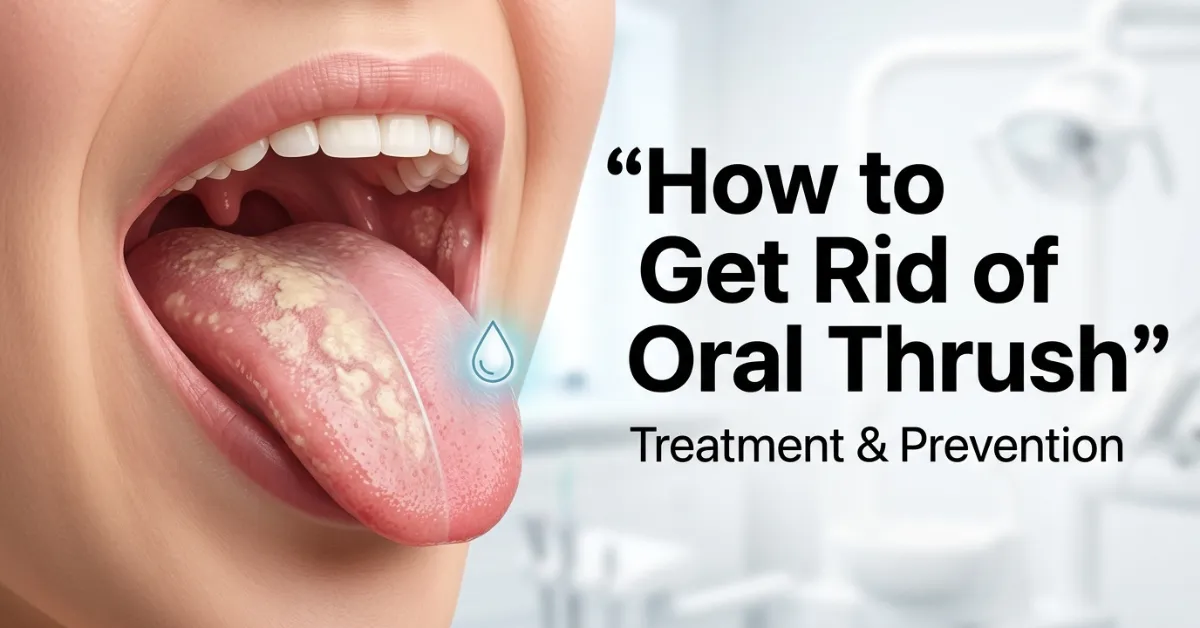
How to Get Rid of Oral Thrush: Treatment & Prevention
Learn how to get rid of oral thrush with proven treatments, home care tips, symptoms, causes, and prevention advice.
This article is informational and is based on established dental and scientific facts published by teethnamee. It doesn’t replace the advice of a healthcare professional.
Oral thrush is a fungal infection caused by an overgrowth of Candida albicans, a yeast that normally lives in small amounts in the mouth. The most effective way to get rid of oral thrush is antifungal treatment recommended by a healthcare provider, combined with consistent oral hygiene and addressing whatever allowed the yeast to overgrow in the first place. Most people who start appropriate treatment see the white patches, soreness, and burning begin to clear within one to two weeks.
This guide covers what causes oral thrush, how to recognize and diagnose it, which treatments are typically used, and how to lower your risk of it coming back.
What Is Oral Thrush?
Oral thrush, also called oral candidiasis, develops when Candida albicans multiplies beyond what the immune system and the mouth’s normal bacteria usually keep in check. It typically appears as creamy white lesions on the tongue, inner cheeks, roof of the mouth, gums, or throat. The patches can be tender and may bleed slightly if scraped.
In otherwise healthy adults, oral thrush is usually a minor, treatable condition. In people with weakened immune systems, it can be more persistent and, less commonly, spread toward the esophagus.
Who Is Most at Risk?
Certain groups are more likely to develop oral thrush:
- Infants, whose immune systems are still developing
- Older adults, who often have reduced saliva flow and weaker immune defenses
- Denture wearers, especially with ill-fitting dentures or inconsistent cleaning
- People with diabetes, particularly when blood sugar is poorly controlled
- People undergoing chemotherapy or radiation, which can weaken immunity and irritate the mouth’s lining
- People living with HIV/AIDS or other conditions that suppress immune function
- Inhaled corticosteroid users (for asthma or COPD) who don’t rinse after use
What Causes Oral Thrush?
Oral thrush results from a disruption in the mouth’s normal microbial balance, letting Candida overgrow.
| Contributing Factor | How It Raises Risk |
|---|---|
| Antibiotic use | Reduces the bacteria that normally keep yeast in check |
| Weakened immunity | Limits the body’s ability to control fungal growth |
| Poorly managed diabetes | Elevated blood sugar can support yeast growth |
| Dentures | Poor fit or hygiene creates a favorable environment for yeast |
| Dry mouth | Reduced saliva lowers the mouth’s natural defenses |
| Smoking | Associated with a higher risk of oral candidiasis |
| Inhaled steroids | Residue left in the mouth can encourage overgrowth |
Other contributors include nutritional deficiencies, organ transplantation, and any medication or condition that suppresses immune function. Dry mouth in particular is worth addressing on its own, since it removes one of the mouth’s main natural defenses.
Oral Thrush Symptoms
Common signs include:
- White or creamy patches on the tongue, gums, or inner cheeks
- Redness, soreness, or a burning sensation
- A cotton-like feeling in the mouth
- Loss of taste or an altered sense of taste
- Cracking at the corners of the mouth
- Pain when eating spicy or acidic foods
Mild cases usually involve small patches and light discomfort with no trouble eating. More extensive infections can cause significant pain or spread toward the throat, leading to difficulty or pain when swallowing, a possible sign of esophageal candidiasis that warrants prompt medical evaluation.
How Is Oral Thrush Diagnosed?
A healthcare provider can often diagnose oral thrush from a visual exam, along with questions about recent antibiotic use, diabetes, immune conditions, medications, and denture habits. If the diagnosis isn’t clear, a swab or scraping may be examined under a microscope or cultured to confirm Candida. Recurring or unexplained cases sometimes prompt blood tests to check for diabetes or an underlying immune issue.
Oral Thrush Treatment: What Actually Works
Treatment depends on age, overall health, and how severe the infection is, so it should be guided by a healthcare provider rather than self-directed.
Topical (localized) antifungals are typically the first-line option for mild to moderate cases. These may include antifungal lozenges, oral gels, or liquid suspensions applied directly in the mouth, prescribed and dosed by a provider.
Oral antifungal tablets may be used for infections that don’t respond to topical treatment, for recurrent thrush, for esophageal involvement, or in people with weakened immune systems.
Whatever is prescribed, completing the full course, even after symptoms improve, helps prevent the infection from returning. Most treated cases resolve within one to two weeks, though this varies by severity and underlying health.
Home Care for Symptom Relief
Home measures don’t cure oral thrush on their own, but alongside medical treatment they can ease discomfort:
- Rinsing with warm salt water
- Staying well hydrated
- Practicing thorough oral hygiene
- Cleaning dentures daily and letting them dry overnight
- Replacing your toothbrush once the infection clears
Evidence on some popular remedies is limited. Salt water rinses can soothe irritated tissue but won’t eliminate the fungus. Probiotic yogurt with live cultures may support oral balance for some people, though research is still developing. Coconut oil and apple cider vinegar have little reliable clinical evidence behind them for treating thrush, and acidic rinses like vinegar can further irritate already inflamed tissue.
Addressing the Underlying Cause
Clearing the current infection is only part of the picture. Reducing the chance of recurrence often means addressing what allowed the overgrowth to happen, for example improving blood sugar control, adjusting denture hygiene, managing dry mouth, reviewing medications with a provider, or rinsing after inhaler use.
How to Prevent Oral Thrush From Coming Back
A few consistent habits lower recurrence risk:
- Brush twice daily with fluoride toothpaste, brush your tongue gently, and floss daily
- If you wear dentures, remove them nightly, clean them daily, and confirm they fit properly
- Keep blood sugar within your target range if you have diabetes
- Rinse your mouth with water after using an inhaled corticosteroid
- Avoid smoking
- Keep up with regular dental checkups
When to See a Doctor
Contact a healthcare provider if:
- Symptoms last more than two weeks despite treatment
- The infection keeps returning
- You develop severe pain or difficulty swallowing
- White patches spread toward the throat
- You have a fever
- You have diabetes, cancer, HIV/AIDS, or another condition affecting immunity
If an infant is refusing to feed due to mouth pain, contact a pediatrician promptly.
Frequently Asked Questions
What Kills Oral Thrush Fast?
There is no reliable home remedy that instantly eliminates oral thrush. The standard treatment is an antifungal medication recommended by a healthcare provider. With appropriate treatment and good oral hygiene, many cases improve within days and clear within one to two weeks.
How Can I Get Rid of Oral Thrush Quickly?
The best way to get rid of oral thrush quickly is to get an accurate diagnosis and use the antifungal treatment recommended by a healthcare provider. Good oral hygiene, staying hydrated, cleaning dentures properly, and addressing the underlying cause can also support recovery.
Can Oral Thrush Go Away on Its Own?
Very mild cases may sometimes improve without treatment, but oral thrush often needs antifungal therapy to fully clear. If symptoms persist, worsen, or keep coming back, see a healthcare provider for proper diagnosis and treatment.
How Long Does Oral Thrush Take to Heal?
With appropriate antifungal treatment, many cases of oral thrush improve within a few days and clear within one to two weeks. Recovery can take longer when the infection is severe, recurrent, or linked to an underlying health condition.
What Is the Fastest Treatment for Oral Thrush?
The fastest effective treatment depends on the severity and cause of the infection. A healthcare provider may recommend a topical or oral antifungal medication. Starting appropriate treatment early can help symptoms improve sooner and reduce the chance of the infection persisting or returning.
Conclusion:
Oral thrush is common and treatable. Getting rid of it typically comes down to an accurate diagnosis, appropriate antifungal treatment prescribed by a provider, consistent oral hygiene, and addressing whatever allowed the yeast to overgrow in the first place.