Small Pointy Teeth (Peg Teeth): Causes & Proven Treatments
Medically reviewed | Last updated: August 2026
This article was medically reviewed by a medical and scientific facts for clinical accuracy. Content is for educational purposes and does not replace an in person dental evaluation.
Small pointy teeth (peg teeth) explained: learn the causes, signs, treatment options, and costs of fixing peg lateral incisors for a better smile.
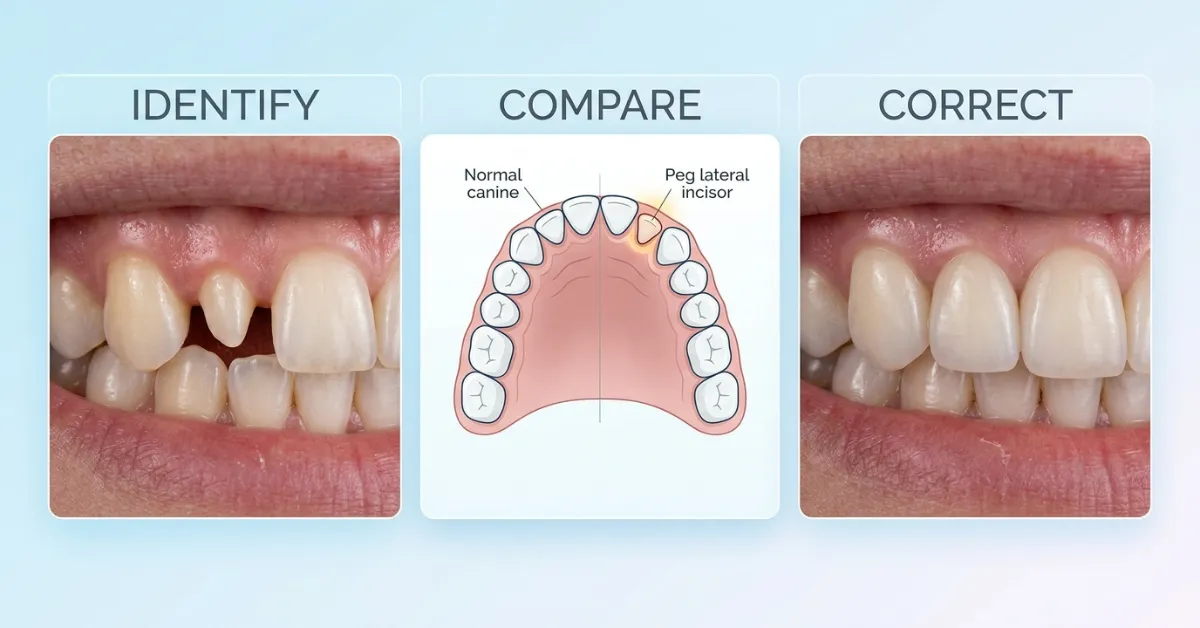
Small pointy teeth, most often called peg teeth or peg lateral incisors, are undersized, cone shaped teeth that appear narrower and more pointed than the teeth around them. They’re usually harmless, but they can be reshaped and restored with treatments like dental bonding or veneers, depending on severity.
This guide covers what causes small pointy teeth, whether they need treatment, how they’re diagnosed, and the best options to fix them for both children and adults.
Quick answer: Small pointy teeth, known as peg teeth or peg lateral incisors, are narrower, cone shaped teeth that most often affect the upper lateral incisors. They’re usually genetic and harmless, requiring no treatment unless you want to improve your smile’s appearance. When treatment is wanted, dentists typically recommend bonding for mild cases and veneers or crowns for more noticeable size differences, with cost and outcome depending on how many teeth are involved and which restoration is chosen.
What Are Small Pointy Teeth Called?
Small pointy teeth are known clinically as peg teeth or peg lateral incisors, and the broader condition is called microdontia. In dentistry, this shape is most commonly seen in the upper lateral incisors, the teeth positioned just beside the two front central teeth.
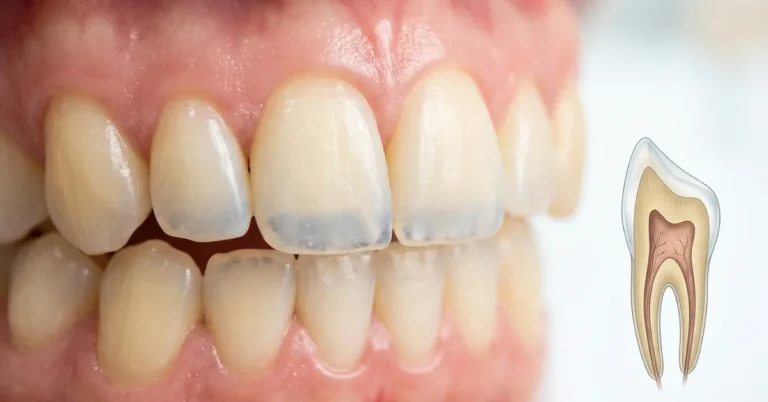
Unlike a normal tooth, which has a wider, more rectangular biting surface, a peg shaped tooth tapers inward toward the edge, giving it a cone like or pointed look. The name “peg tooth” comes directly from this shape: instead of a flat, rectangular edge, the tooth narrows steadily from the gumline to the biting edge, ending in a rounded point similar to a small peg or cone. This is usually most noticeable when smiling, since the upper lateral incisors sit right next to the more prominent front teeth, and any size mismatch tends to stand out.
Why Are My Teeth Naturally Pointy? Peg Teeth vs. Canine Teeth
Not all pointed teeth are a sign of peg teeth. It’s worth understanding the difference before assuming something is wrong.
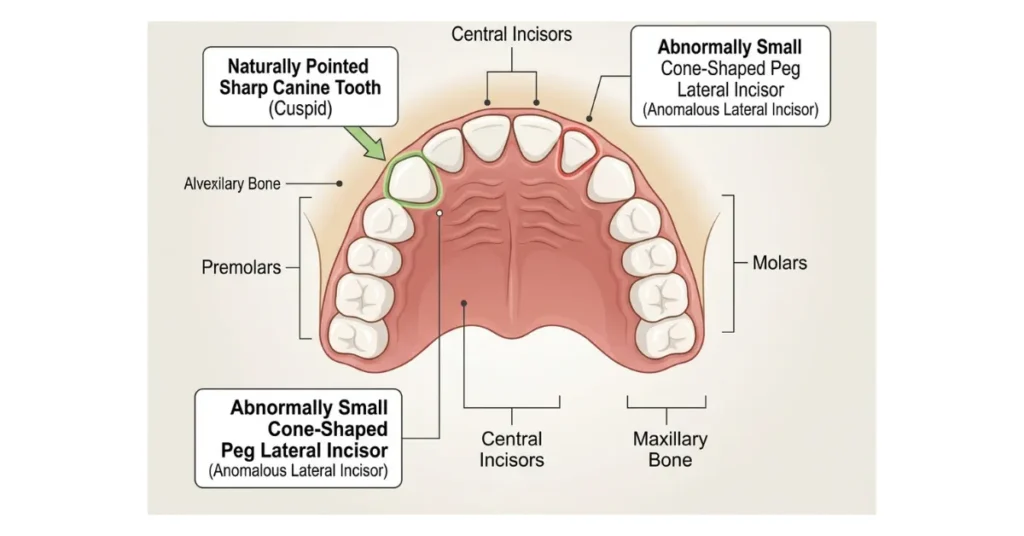
Canine teeth (the sharper, more pointed teeth located at the corners of the mouth, sometimes called “eye teeth” or “cuspids“) are naturally pointed by design. Their shape helps with tearing food, and a visible point on a canine is completely normal, healthy tooth anatomy.
Peg teeth, by contrast, occur when a tooth that should be wide and flat, most often an upper lateral incisor, develops narrow and cone shaped instead. This is a variation in tooth formation, not a normal anatomical feature.
The easiest way to tell them apart:
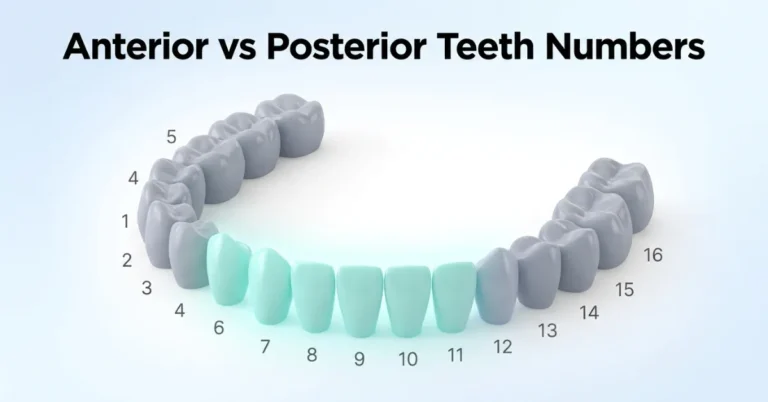
- If the pointed tooth is at the corner of your smile (the third tooth from the center), it’s likely a canine, and pointedness there is expected.
- If the pointed tooth is the second tooth from the center (between your front tooth and your canine) and looks small or underdeveloped, it may be a peg lateral incisor.
A dentist can confirm which situation applies with a simple visual exam.
Small Pointy Teeth vs. Normal Teeth vs. Canine Teeth
| Feature | Normal Teeth (Incisors) | Peg Teeth (Peg Lateral Incisors) | Canine Teeth |
|---|---|---|---|
| Shape | Wide, rectangular biting edge | Narrow, cone shaped, tapers to a point | Naturally pointed tip by design |
| Location | Front and side of the mouth | Usually the upper lateral incisors | Corners of the mouth, both arches |
| Cause | Typical tooth development | Genetic variation or microdontia | Normal anatomy |
| Function | Biting and cutting food | Usually normal function despite smaller size | Tearing and gripping food |
| Considered abnormal? | No | Can be, if size affects bite or appearance | No |
What Do Small Pointy Teeth Look Like?
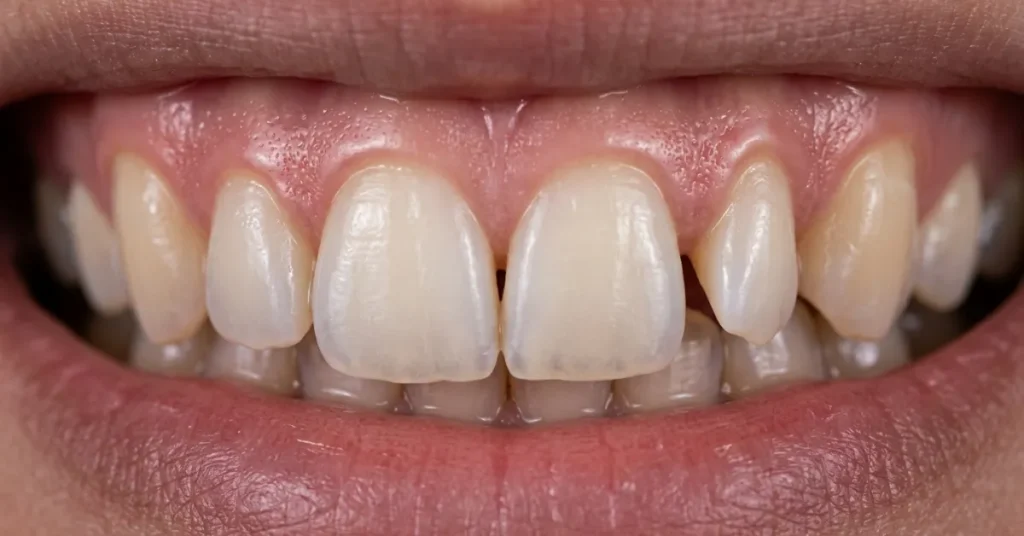
Common visual characteristics include:
- Small or undersized teeth compared with surrounding teeth
- A cone shaped or pointed tip
- Narrow width relative to height
- Visible gaps or spacing between teeth
- An uneven or asymmetrical smile line
Some people mistake peg shaped teeth for retained baby teeth because of their small size, but in most cases, they are permanent adult teeth that simply developed differently.
What Causes Small Pointy Teeth?
The exact trigger isn’t always identifiable, but several known factors contribute to peg shaped tooth development.
Genetics and Heredity
Tooth size and shape are commonly inherited. Microdontia (unusually small teeth) is often linked to genetic factors passed down through a family.
Disruptions During Tooth Development
Teeth form in stages before they ever appear in the mouth. Anything that disrupts this process can alter the tooth’s final size or shape, resulting in a smaller, pointed tooth.
Congenital Factors
Peg teeth are generally considered a congenital condition, meaning they form before birth or during early tooth development. They are not caused by diet, brushing habits, or oral hygiene.
Associated Conditions
In rare cases, peg shaped teeth are associated with ectodermal dysplasia, a genetic condition affecting the development of teeth, hair, skin, and nails. Most people with small pointy teeth, however, have no underlying condition at all.
Are Small Pointy Teeth a Problem, or Just Cosmetic?
For most people, small pointy teeth are a cosmetic concern rather than a health issue. The teeth are usually fully functional and healthy.
That said, they can occasionally contribute to:
- Increased spacing between teeth
- Bite alignment issues
- An uneven smile
- Lower confidence when smiling
When Treatment Isn’t Necessary
You may not need treatment if:
- The tooth is healthy and functioning normally
- There’s no bite misalignment
- You’re comfortable with your smile as is
Most people who pursue treatment do so for aesthetic reasons rather than medical necessity.
Leaving peg teeth untreated is generally safe. If spacing is significant, gaps next to a peg shaped tooth can gradually widen as surrounding teeth shift, and uneven spacing can make certain areas harder to clean thoroughly, slightly raising the risk of plaque buildup between teeth. These issues tend to be minor and manageable with regular checkups, so they’re rarely a reason to rush into treatment, but they’re worth mentioning at your next dental visit.
How Are Small Pointy Teeth Diagnosed?
A dentist can typically identify peg shaped teeth during a routine visual exam, though further evaluation may be recommended.
A standard evaluation includes:
- A visual check of tooth size, shape, and alignment
- Dental X rays to assess roots and any hidden issues
- An assessment of bite relationship
- For children, ongoing monitoring of permanent tooth development before deciding on treatment timing
Small Pointed Teeth Treatment Options
| Treatment | How It Helps | Best For |
|---|---|---|
| Dental bonding | Tooth colored resin adds width and reshapes the tooth | Mild cases, budget conscious patients |
| Composite veneers | Resin based veneers reshape the tooth’s front surface | Moderate cases wanting an affordable upgrade |
| Porcelain veneers | Thin custom shells cover the front of the tooth | Long lasting, natural looking results |
| Dental crowns | Full coverage restoration for weakened or damaged teeth | Severely affected or structurally compromised teeth |
| Orthodontic treatment | Closes gaps and improves alignment | Cases with noticeable spacing issues |
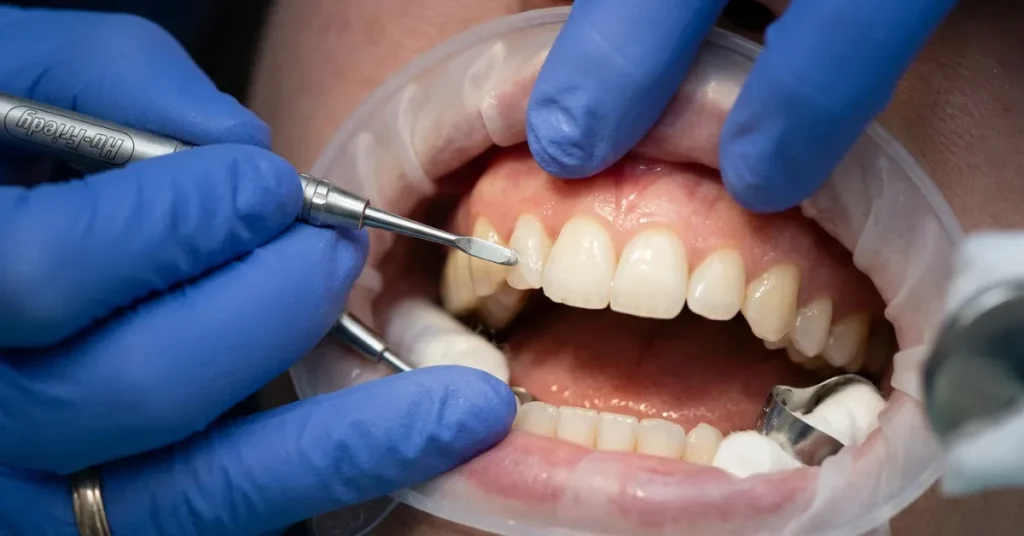
Dental Bonding
Dental bonding is the most common first line treatment. A tooth colored composite resin is applied directly to the tooth to build up its width and reshape the pointed tip. It’s minimally invasive, usually completed in a single visit, and produces natural looking results.
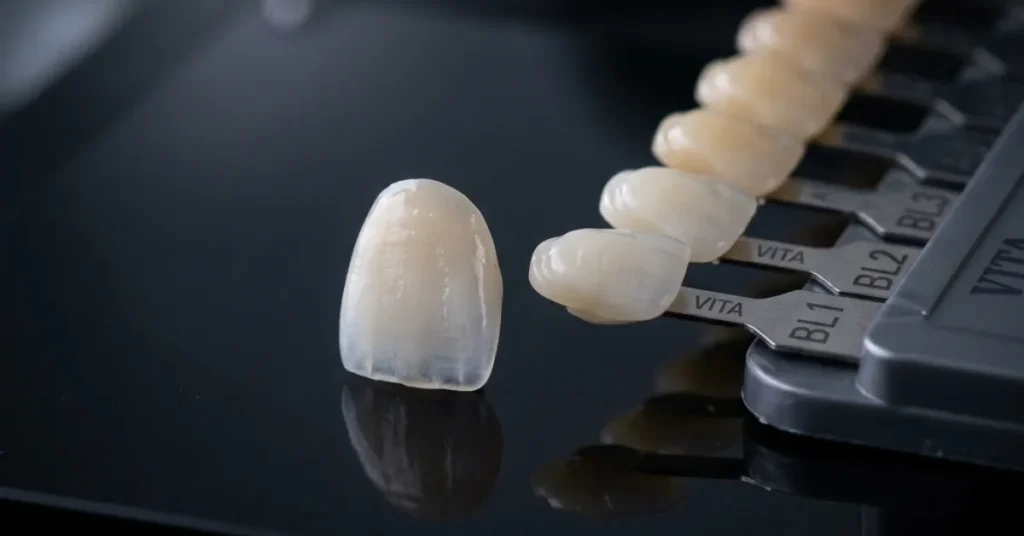
Porcelain Veneers
Porcelain veneers are thin, custom made shells bonded to the front of the tooth. They’re a popular choice for patients who want a longer lasting, more durable cosmetic fix than bonding alone.
Composite Veneers
Composite veneers use the same tooth colored resin as bonding but are shaped as a veneer. They cost less than porcelain and require less enamel preparation.
Dental Crowns
When a tooth is weak, damaged, or needs full structural coverage, a crown may be the better long term solution.
Orthodontic Treatment
If small pointy teeth have created noticeable gaps, orthodontics (braces or clear aligners) can close spacing before or alongside cosmetic treatment.
Recovery after cosmetic treatment for peg teeth is typically minimal. Bonding and composite veneers involve no downtime, and patients can eat and speak normally right away, though it’s wise to avoid biting into very hard foods for the first day while the material fully sets. Porcelain veneers and crowns may involve mild, short lived sensitivity to hot or cold as the tooth adjusts, which usually settles within a week or two. Most patients return to their normal routine the same day, regardless of which treatment they choose.
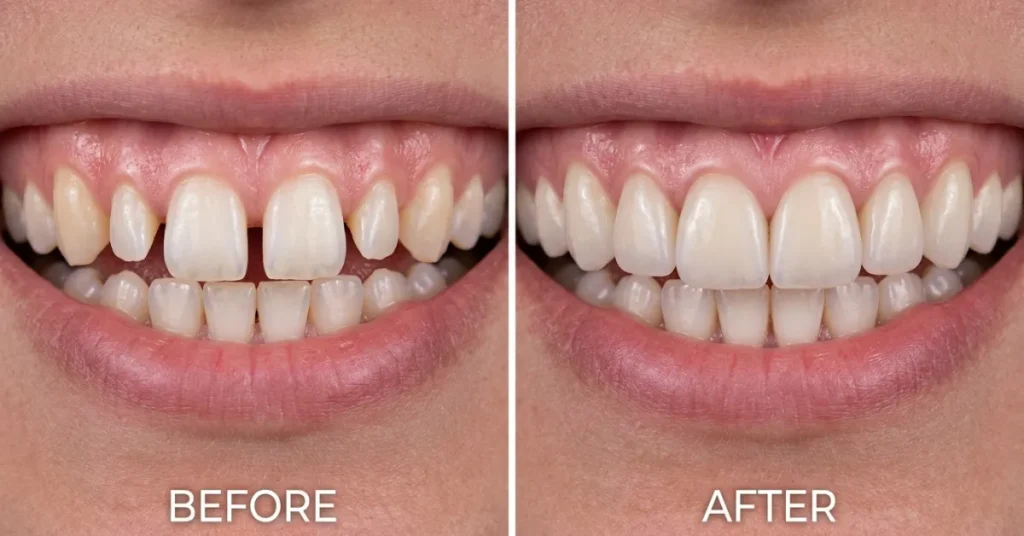
Which Treatment Is Best?
The right option depends on:
- How pronounced the peg shape is
- The patient’s age
- Tooth strength and structural condition
- Amount of spacing present
- Cosmetic goals and budget
As a general rule, dentists lean toward bonding for mild cases and veneers or crowns for more noticeable size differences.
Good candidates for cosmetic treatment are people with healthy tooth structure and no active gum disease or untreated decay, since these issues need to be resolved first. Bonding and composite veneers suit patients wanting a quick, reversible, lower cost fix, while porcelain veneers or crowns suit those seeking a longer term solution or who have more pronounced size differences. Patients with significant spacing or bite issues are often better candidates for a combined approach, pairing orthodontics with a cosmetic restoration once teeth are properly aligned.
Can Small Pointy Teeth Be Fixed in Children vs. Adults?
Yes, in both, though timing differs.
- Children: Dentists typically monitor tooth development and wait until permanent teeth have fully erupted before pursuing cosmetic treatment.
- Adults: Bonding, veneers, crowns, and orthodontics are all viable at any age once the teeth are fully developed.
Small Pointy Teeth Cost: What to Expect
Treatment cost depends on the type of restoration, how many teeth are involved, the dentist’s experience, and where you live. The ranges below reflect typical costs reported in the United States and should be treated as general estimates rather than quotes, since pricing varies by country, clinic, and case complexity.
- Dental bonding: roughly $150 to $600 per tooth, making it the most budget friendly option
- Composite veneers: roughly $250 to $1,500 per tooth, depending on the dentist and materials used
- Porcelain veneers: roughly $900 to $2,500 per tooth, reflecting their durability and custom fabrication
- Dental crowns: roughly $800 to $2,000 per tooth, varying by material (porcelain, zirconia, or metal based)
- Orthodontic treatment: roughly $3,000 to $7,000 for a full course of braces or clear aligners, depending on case complexity
A consultation with a dentist is the only reliable way to get an accurate quote for your specific case, since insurance coverage, regional pricing, and the extent of correction needed all affect the final cost.
When Should You See a Dentist?
Book a consultation if you notice:
- Unusually small or pointed teeth
- Noticeable gaps between teeth
- Changes in your smile’s appearance
- Sensitivity or visible tooth damage
- General concerns about tooth development
Frequently Asked Questions
What are small pointy teeth called?
Small pointy teeth are usually called peg teeth or peg lateral incisors. They are smaller, cone-shaped teeth that most commonly affect the upper lateral incisors.
Why are my teeth small and pointy?
Small and pointy teeth are often caused by genetics or a condition called microdontia, where teeth develop smaller than normal. They are usually harmless and mainly affect appearance.
Can small pointy teeth be fixed?
Yes. Small pointy teeth can be improved with treatments like dental bonding, composite veneers, porcelain veneers, crowns, or orthodontic treatment, depending on the tooth shape and spacing.
Are small pointy teeth normal?
Yes, small pointy teeth can be a normal variation in tooth development. They usually do not cause health problems unless they affect your bite, spacing, or confidence.
How much does it cost to fix small pointy teeth?
The cost depends on the treatment chosen. Dental bonding is usually the most affordable option, while veneers and crowns generally cost more because they provide longer-lasting cosmetic changes.
Conclusion
Small pointy teeth, clinically known as peg teeth or peg lateral incisors, are a common, usually harmless variation in tooth development, distinct from the natural point of a canine tooth. While they rarely cause functional problems, treatments like bonding, veneers, crowns, and orthodontics can restore a fuller, more symmetrical smile.
If you’re noticing a peg shaped tooth in yourself or your child, there’s no urgency to act, but it’s worth bringing up at your next routine cleaning so a dentist can document it and monitor for any changes over time. Whether you choose bonding, veneers, crowns, or no treatment at all, the right decision comes down to your comfort with the tooth’s appearance and your dentist’s assessment of your bite and oral health.