Craze Lines vs Cracked Tooth: Key Differences Explained
This article has been medically reviewed for accuracy and follows evidence-based dental information from trusted healthcare organizations. It is intended for educational purposes and does not replace professional dental advice, diagnosis, or treatment.
Wondering if that tooth line is harmless? Learn the difference between craze lines vs cracked tooth, warning signs, causes, and when to see a dentist.
Noticed a thin line on your tooth and started spiraling into a late-night search? You’re not alone. It’s one of the most common things people spot in the mirror and can’t stop staring at.
Here’s the short version: craze lines are surface-level and almost always harmless. A cracked tooth runs deeper and can turn into a real problem if you ignore it. The tricky part is that both can look similar at first glance, which is exactly why so many people search “craze lines vs cracked tooth” trying to figure out which one they’re dealing with.
This guide walks through what each one actually is, what causes them, how a dentist tells them apart, and, most importantly, how to know when it’s time to stop Googling and book an appointment.
What Are Craze Lines?
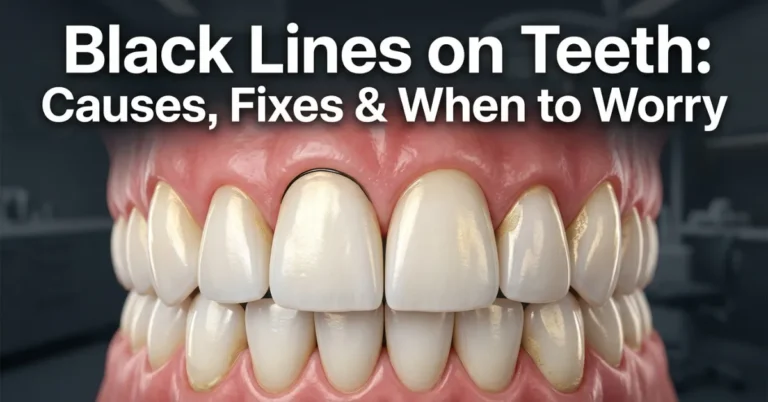
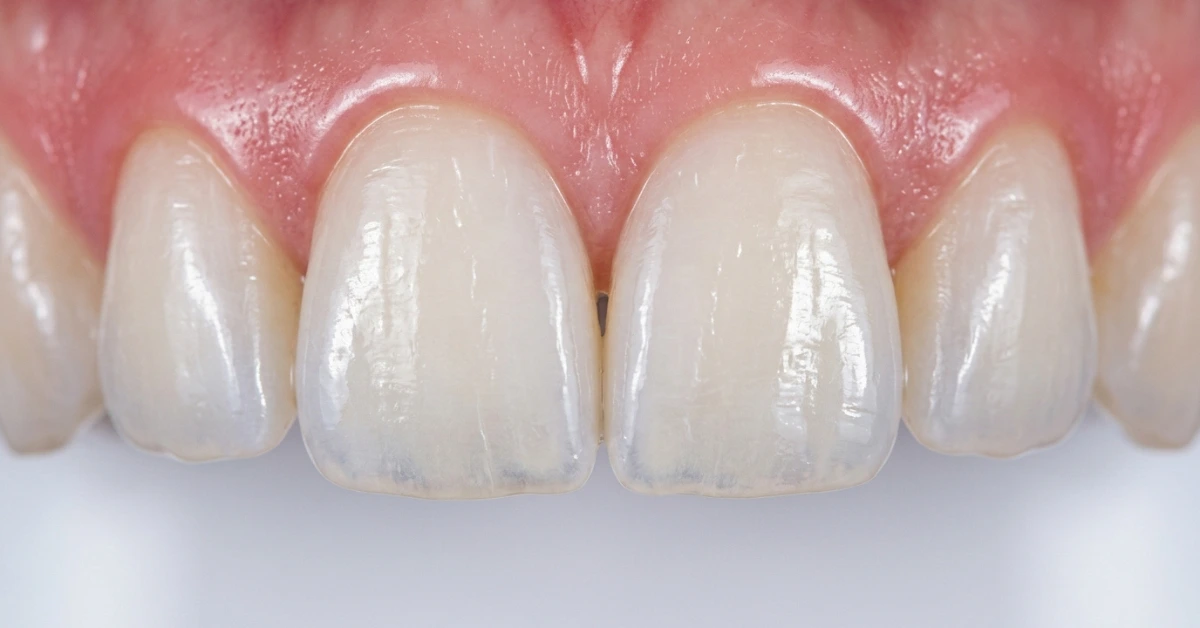
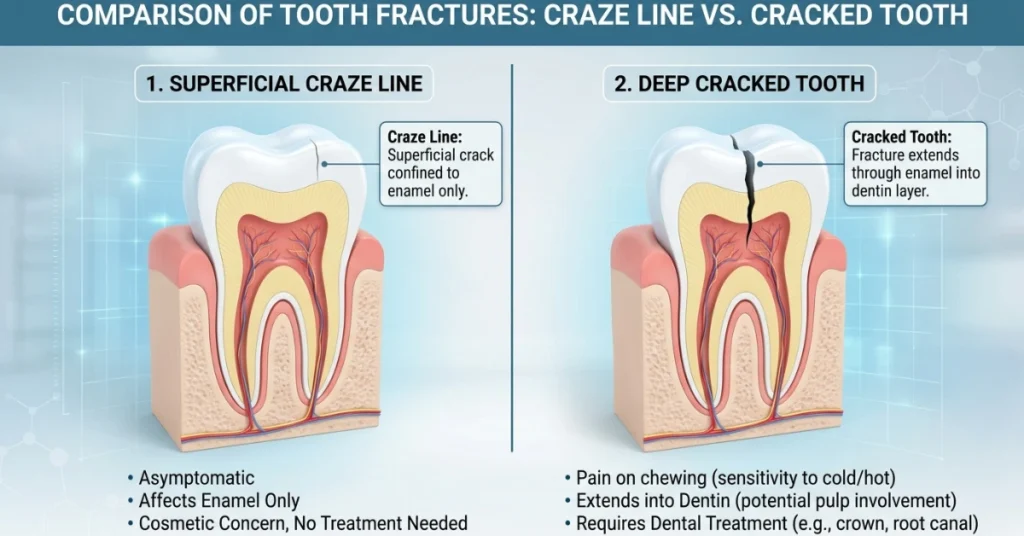
Craze lines are tiny, hairline cracks that live entirely in the enamel, the hard, outer layer of your tooth. They don’t go any deeper than that, which is the whole reason they’re usually nothing to worry about.
You’ll typically spot them on front teeth, where the flat, reflective enamel surface makes even the faintest line visible under bright light or in photos. Most people have at least a few and never even notice them until they’re staring closely in a mirror.
What Causes Craze Lines?
Enamel is incredibly hard, but it’s not indestructible. Over years of everyday use, small stresses add up and leave faint surface marks. The usual culprits:
- Everyday chewing pressure, repeated for decades
- Hot and cold foods or drinks in quick succession
- Grinding or clenching your teeth
- Biting down on ice, pens, or other hard objects
- Simple aging of the enamel
Temperature swings cause enamel to expand and contract slightly, and that repeated stress is often enough to leave a faint line behind, even with no injury or accident involved.
Is It Normal, or Should I Be Worried?
In the vast majority of cases, craze lines are completely normal, not a warning sign. They stay confined to the enamel and don’t affect how your tooth functions.
That said, it’s still worth getting checked if you notice any of these alongside the line:
- Increasing sensitivity
- Pain while chewing or biting down
- A line that seems to be spreading or getting more visible
- Sudden discomfort in a tooth that felt fine before
- Swelling near the tooth
A quick dental exam is really the only way to know for sure whether you’re looking at a cosmetic line or the start of something deeper.
What Is a Cracked Tooth?
A cracked tooth is a fracture that goes beyond the enamel into the layers underneath. Unlike a craze line, it can genuinely hurt and get worse over time.
A tooth is built in three layers:
- Enamel: the protective outer shell
- Dentin: the layer beneath it, connected to the nerve
- Pulp: the innermost layer, packed with nerves and blood vessels
Once a crack reaches the dentin or pulp, bacteria have a way in, and that raises the risk of infection. Teeth can’t heal themselves the way bone does, so a crack at this depth almost always needs professional treatment before it spreads further.
Types of Tooth Cracks, Ranked by Severity
| Type | Where It Happens | How Serious |
|---|---|---|
| Craze line | Enamel surface only | Cosmetic, usually painless |
| Fractured cusp | Chewing surface, often near a filling | Mild, rarely a big deal |
| Cracked tooth | Chewing surface down toward the root | Moderate, may need a crown or root canal |
| Split tooth | Crack fully divides the tooth | Severe, often can’t be saved |
| Vertical root fracture | Starts at the root, moves up | Can be silent at first, risks infection |
Craze Lines vs Cracked Tooth: The Key Differences
| Craze Lines | Cracked Tooth | |
|---|---|---|
| Depth | Enamel only | Can reach dentin or pulp |
| Pain | Usually none | Sharp or lingering pain |
| Sensitivity | Rare | Common: hot, cold, or pressure |
| Risk if ignored | Low | Can worsen, may lead to infection |
| Treatment | Often none needed | Bonding, crown, root canal, or extraction |
| Long-term outlook | Mostly cosmetic | Can affect whether the tooth survives |
Appearance: Craze lines are thin, faint, vertical marks, mostly on front teeth. A cracked tooth tends to look deeper and more irregular, sometimes running toward the gumline.
Pain: Craze lines don’t reach the nerve, so they’re typically painless. A cracked tooth can cause temperature sensitivity, chewing pain, or a sharp jolt right when you release a bite.
Progression: Craze lines rarely change. A cracked tooth can quietly get worse without treatment, which is the real danger.
Symptoms Checklist
Likely just a craze line if you have:
- A thin vertical line, more visible in bright light
- Zero pain
- No sensitivity to food or drinks
- A tooth that feels and functions normally
Possibly a cracked tooth if you have:
- Pain when biting or chewing
- Sharp, unpredictable pain that comes and goes
- Sensitivity to hot, cold, or sweet foods
- Pain specifically when you release a bite
- Swelling near the tooth
Here’s the catch: a cracked tooth doesn’t always announce itself right away. Some cracks stay silent for months before symptoms show up, so unexplained, on-and-off tooth pain is worth checking even if everything looks fine on the surface.
What Causes Cracked Teeth?
Cracked teeth happen when a tooth takes on more stress than it can absorb. Common triggers include:
- Biting hard foods, ice, or hard candy
- Sports injuries or accidents
- Large fillings that leave less natural tooth structure behind
- Long-term grinding
- Uneven bite pressure
- Natural weakening with age
Teeth that have already been through multiple dental procedures tend to be more crack-prone going forward.
How Dentists Actually Tell Them Apart
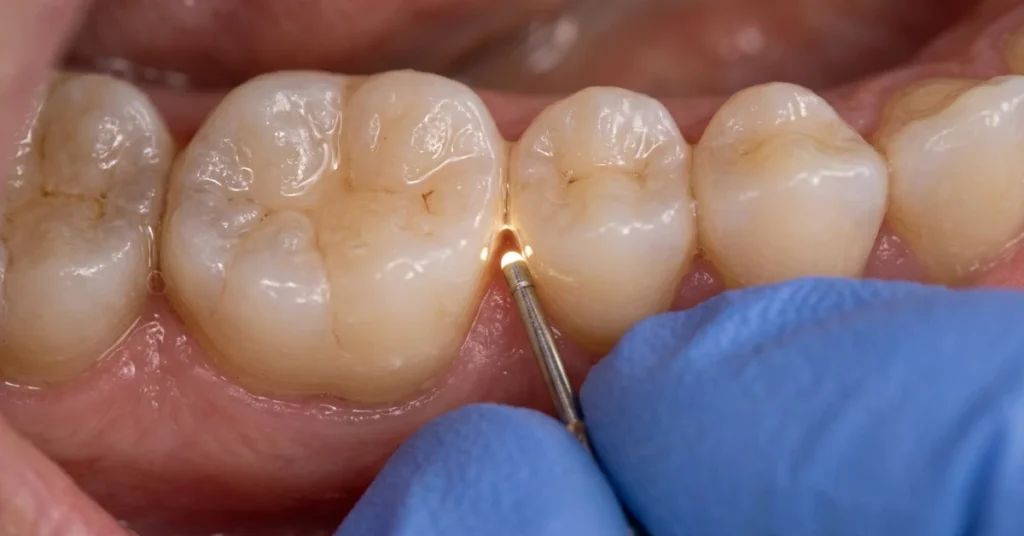
Because craze lines and early cracks can look deceptively similar, dentists don’t rely on a glance alone:
- Visual exam with magnification: special lighting helps judge exactly how deep a line likely goes.
- Bite and cold testing: biting on a small tool or applying cold can reveal pain patterns that point to a deeper crack.
- Imaging: regular X-rays often miss thin cracks entirely, so dentists may use transillumination or other imaging when a deeper fracture is suspected.
Do Craze Lines Need Treatment?
Usually, no. If there’s no pain, no sensitivity, and the tooth works normally, craze lines just get monitored at your regular checkups.
If the look of them bothers you cosmetically, options include professional polishing, dental bonding, or veneers in some cases. Your dentist can tell you which fits your situation.
To keep things that way: avoid chewing on hard objects, keep up with oral hygiene, address grinding if you have it, and don’t skip your regular checkups.
Treatment Options for a Cracked Tooth
Treatment depends entirely on how deep the crack runs and how much of the tooth is affected:
- Dental bonding: for minor cracks or small enamel defects, often cosmetic
- Dental crowns: hold a weakened tooth together and restore normal function
- Root canal: needed when a crack reaches the pulp and causes inflammation or infection
- Extraction: for teeth too damaged to repair, like a fully split tooth, followed by replacement options
Frequently Asked Questions
Are craze lines in teeth normal or should I worry?
Yes, craze lines are common and usually harmless. See a dentist if they cause pain or sensitivity.
How can you tell the difference between a craze line and a cracked tooth?
Craze lines only affect enamel, while cracked teeth are deeper and may cause pain or sensitivity.
Do craze lines turn into cracked teeth?
Usually no, but stress from grinding or trauma can increase the risk of deeper cracks.
Why do I see tiny cracks or lines on my teeth?
They can develop from chewing pressure, aging, teeth grinding, and temperature changes.
Can a cracked tooth heal on its own?
No, cracked teeth cannot heal naturally and may need dental treatment.
When should I see a dentist for a tooth crack?
See a dentist if you have pain, sensitivity, swelling, or a worsening crack.
Conclusion:
The real difference between craze lines and a cracked tooth comes down to one thing: depth. Craze lines stay in the enamel and are almost always cosmetic. A cracked tooth goes further in and can threaten the tooth if left untreated.
If you’re noticing pain, new sensitivity, or a line that seems to be changing, don’t wait. Book a dental exam. Catching a crack early, paired with good oral habits and regular checkups, is the most reliable way to keep your smile intact for the long haul.