Why Does Salt Water Help Tooth Pain? What Really Works
Why does salt water help tooth pain? It cleanses the mouth, soothes mild gum irritation, and offers temporary relief without treating the underlying cause.
Salt water helps tooth pain mainly by clearing away food debris and bacteria and soothing mildly irritated gum tissue. The warmth of the rinse is comforting on its own, and swishing physically removes what’s been sitting against your gums and teeth. This makes a salt water rinse a reasonable first step for mild, short-term discomfort. It does not treat the underlying cause of tooth pain, such as decay, infection, or a cracked tooth.
The rest of this guide covers how salt water works, how to use it correctly, and when the pain needs a dentist rather than a rinse.
How Does Salt Water Work for Tooth Pain?
A salt water rinse works through a few modest, well-understood actions rather than one dramatic effect.
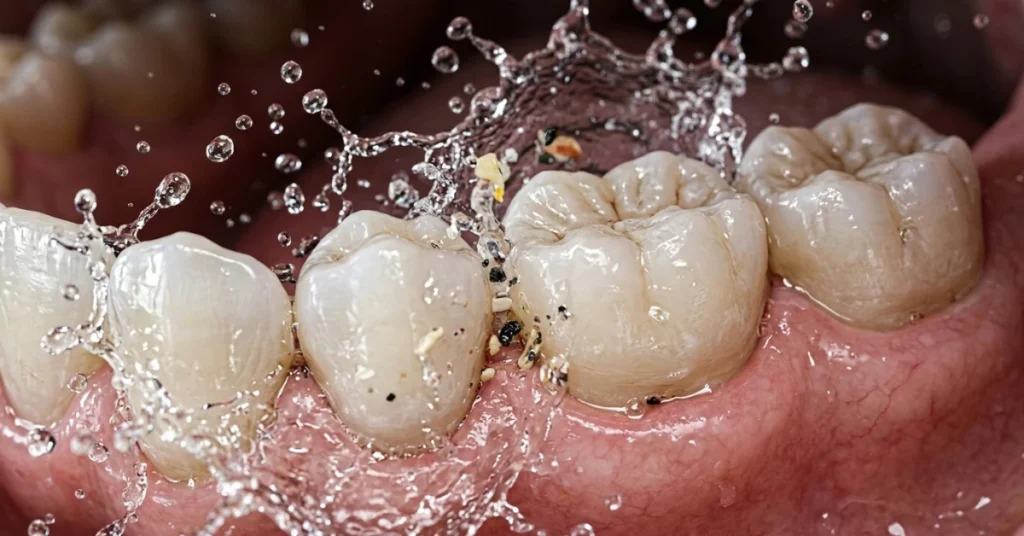
- It flushes the mouth. Swishing water around the teeth and gums helps dislodge food particles and loose debris that brushing alone may miss, particularly around a sore or swollen area.
- It removes some of the bacteria sitting against irritated tissue. This doesn’t sterilize the mouth or eliminate an infection, but reducing the amount of debris and bacteria in direct contact with sore gums can make the area feel less irritated.
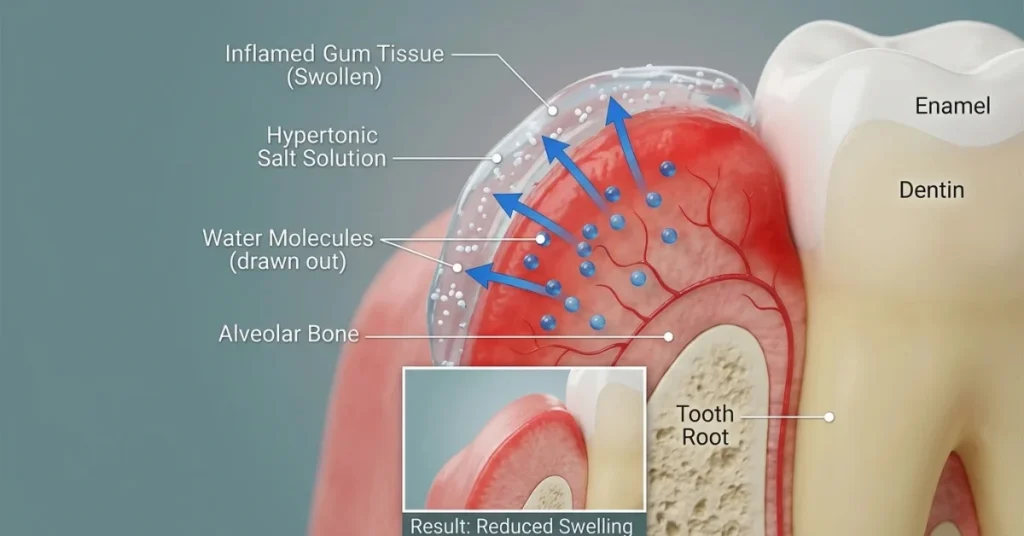
- It may modestly ease surface swelling. Salt water is a hypertonic solution, meaning it’s more concentrated than the fluid inside your cells. In theory, this can draw a small amount of fluid out of irritated surface tissue through osmosis. This is a plausible contributor to reduced gum swelling at the surface, but it is not a proven mechanism for relieving pain caused by inflammation inside a tooth, such as an irritated or infected nerve. The two should not be confused.
- Warmth adds comfort. Warm, not hot, water simply feels soothing against sore gums, which is part of why rinsing tends to feel helpful even when little has changed physically.
Salt water does not kill all oral bacteria, sterilize the mouth, or repair any damage already done to a tooth.
Does Salt Water Actually Reduce a Toothache?
For mild discomfort caused by trapped food or minor gum irritation, many people notice some temporary improvement after rinsing. For pain coming from a cavity, an infection, or a cracked tooth, a rinse may take the edge off but will not resolve the pain, because it doesn’t address what’s causing it.
Why Warm Salt Water Feels Soothing
The soothing effect comes from a few things working together. Warm water is calming against sensitive tissue, rinsing clears away irritants, and a cleaner mouth generally feels more comfortable than one with debris sitting against the gums.
How to Make a Salt Water Rinse for Tooth Pain
Ratio
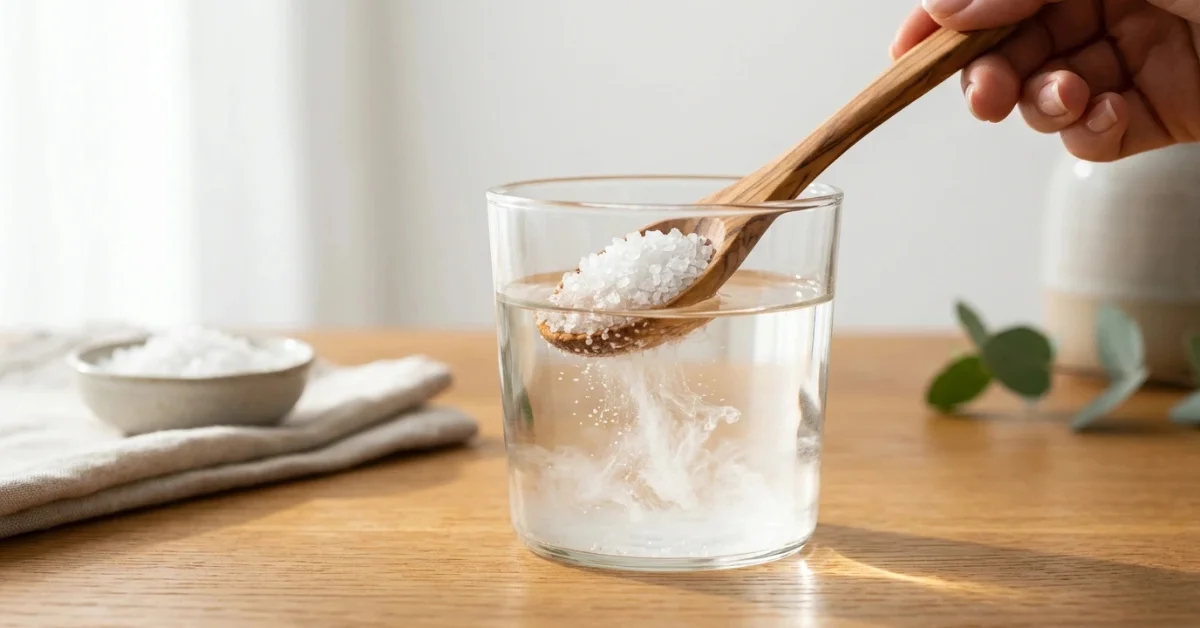
- ½ teaspoon of table salt
- 1 cup (8 ounces) of warm water
Stir until the salt fully dissolves.
Steps
- Take a small sip of the solution.
- Swish gently for about 30 seconds, focusing on the sore area.
- Spit it out. Do not swallow it.
- Repeat with the remaining solution as needed.
Avoid water that’s uncomfortably hot, and don’t add extra salt beyond the recommended amount. A stronger solution isn’t more effective and can irritate oral tissue.
How Often Should You Rinse With Salt Water?
A few times a day is generally reasonable for most adults, such as after meals or when the area feels irritated. Rinsing more frequently than that doesn’t make the rinse work better and can dry out or irritate the tissue in your mouth, so more is not an improvement.
How Long Does Relief Last?
Relief from a salt water rinse is temporary and varies depending on what’s causing the pain. For minor irritation, the effect may last for some time. For a deeper problem such as decay or infection, comfort tends to fade quickly once the rinsing stops. If you find yourself rinsing repeatedly over more than a day or two just to manage pain, that’s a sign to see a dentist.
What Salt Water Can Help With
- Mild gum irritation
- Food trapped between teeth
- Minor mouth sores
- General hygiene support alongside brushing and flossing
- Gentle rinsing after certain dental procedures, once your dentist has approved it
Does Salt Water Help Swollen Gums?
For mild, temporary swelling, such as from a small piece of food stuck at the gumline, a salt water rinse can genuinely help by clearing the area and easing minor irritation. It is not a treatment for gum disease. If gums are consistently swollen, bleed easily, or feel tender over time, that needs a dental evaluation rather than ongoing rinsing.

What Salt Water Cannot Treat
Does Salt Water Help a Cavity?
No. A cavity is physical damage to the tooth caused by decay. Salt water can rinse away some food and debris around a cavity, which may reduce irritation, but it cannot rebuild enamel or stop decay that has reached the inner layers of the tooth. A cavity needs a filling or other restorative treatment.
Does Salt Water Help a Tooth Infection or Abscess?
Not on its own. A dental abscess is an active infection, often with swelling, throbbing pain, and sometimes fever or a persistent bad taste in the mouth. A salt water rinse may offer mild, temporary comfort and help keep the area cleaner, but it cannot clear an infection that has developed around the root of a tooth or inside the gum. An abscess needs prompt dental assessment. Depending on the case, treatment may involve drainage, a root canal, extraction, or antibiotics when clinically indicated. Not every dental infection requires antibiotics; that decision depends on the specific case. Left untreated, an abscess can spread and become serious.
Is Salt Water Safe After a Tooth Extraction?
Gentle salt water rinsing is commonly recommended after a tooth extraction, typically starting around 24 hours after the procedure. Your dentist or oral surgeon’s specific instructions always take priority over general guidance like this, since timing can vary by case. Rinsing too early or too forcefully can disturb the blood clot protecting the socket and lead to a painful complication known as dry socket.
Can Children Use Salt Water for Tooth Pain?
Yes, once a child is old enough to reliably swish and spit without swallowing the solution. For younger children, or if there’s any doubt, check with a dentist first.
Warning Signs That Need a Dentist, Not a Rinse
See a dentist promptly if you notice:
- Severe or worsening pain
- Pain lasting more than a day or two despite home care
- Facial or neck swelling
- Fever
- Pus or a persistent bad taste near a tooth
- A cracked, broken, or knocked-out tooth
Difficulty breathing, difficulty swallowing, or facial or neck swelling that is spreading can signal a serious infection. Treat these as an emergency and seek immediate medical or dental care rather than managing them with a rinse at home.
Temporary Alternatives for Tooth Pain
- Cold compress: Holding a cold pack against the outside of the cheek can help numb the area and reduce swelling.
- Over-the-counter pain relief: Ibuprofen or acetaminophen, used according to package directions, can help manage discomfort while you arrange a dental visit.
- Gentle flossing: If trapped food seems to be the cause, careful flossing may remove the irritant.
Preventing Tooth Pain
- Brush twice daily with fluoride toothpaste
- Floss daily
- Limit sugary and acidic foods and drinks
- Visit a dentist for regular checkups and cleanings
- Address small cavities or gum issues early
- Wear a mouthguard if you grind your teeth at night
Frequently Asked Questions
Why does salt water help tooth pain?
It helps mainly by clearing debris and bacteria from the mouth and soothing mild gum irritation, with the warmth adding a comforting effect. It does not treat the underlying cause of the pain.
Does salt water reduce a toothache?
It may ease mild, surface-level discomfort, but it will not resolve pain caused by a cavity, infection, or crack.
How often should I rinse with salt water?
A few times a day is generally reasonable, using ½ teaspoon of salt per cup of warm water. Rinsing more often doesn’t improve the effect.
Can salt water cure a tooth infection?
No. Salt water cannot clear a bacterial infection such as an abscess. It may offer mild, temporary comfort, but an infection needs dental assessment and treatment.
Is salt water safe after a tooth extraction?
Yes, gently, typically starting around 24 hours after the procedure, though your dentist’s specific instructions should always come first.
Does salt water help swollen gums?
It can help with mild, temporary swelling from minor irritation, but it is not a treatment for gum disease.
When should I see a dentist instead of rinsing with salt water?
See a dentist if pain is severe, lasts more than a day or two, or comes with swelling, fever, pus, or difficulty swallowing or breathing.
Conclusion:
A warm salt water rinse is a useful, low-risk piece of dental first aid. It clears the mouth of debris, may ease mild gum irritation, and often makes discomfort more manageable in the short term. What it cannot do is fix a cavity, clear an infection, or repair a cracked tooth. Mild, short-lived pain is a reasonable case for rinsing. Severe, persistent, or worsening pain, especially with swelling, fever, or trouble breathing or swallowing, is a sign to see a dentist right away.