
Periodontist for Tooth Recession: Expert Treatment Guide
Periodontist for tooth recession: discover expert treatments, gum grafting, causes, diagnosis, recovery, and how to prevent receding gums.
A periodontist can determine why your gums are receding and recommend treatment based on the underlying cause. Gum recession, also called gingival recession, exposes the root surface of a tooth as the surrounding gum tissue wears away or shifts downward. Once this happens, the tooth root is no longer covered by the protective gum tissue that normally shields it, which is why recession often comes with sensitivity, a change in how the tooth looks, and a higher long-term risk to the tooth if the cause isn’t addressed. Anyone dealing with this can benefit from seeing a periodontist for tooth recession before the exposed area worsens.
Gum recession is common. A review published in the Journal of the American Dental Association found that roughly half of adults between 18 and 64 have at least one site of measurable recession, rising to nearly 88% in adults over 65. The CDC estimates that about 42% of U.S. adults aged 30 and older have some form of periodontal disease, one of the more frequent contributors to recession. Because the underlying cause varies so much from person to person, understanding what a periodontal evaluation actually involves helps explain why treatment isn’t the same for everyone.
What Is Tooth Recession?
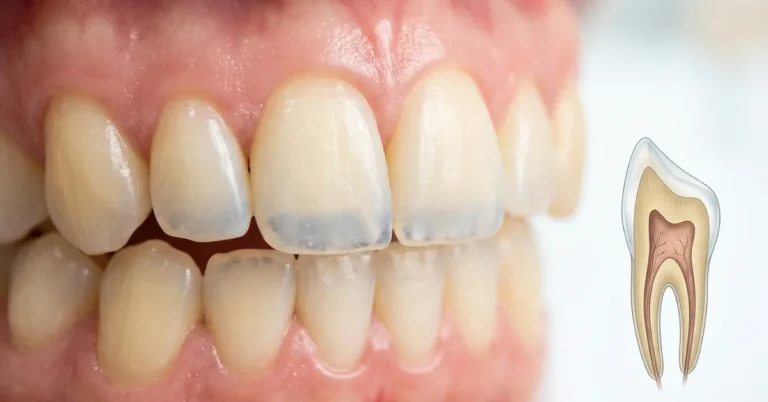
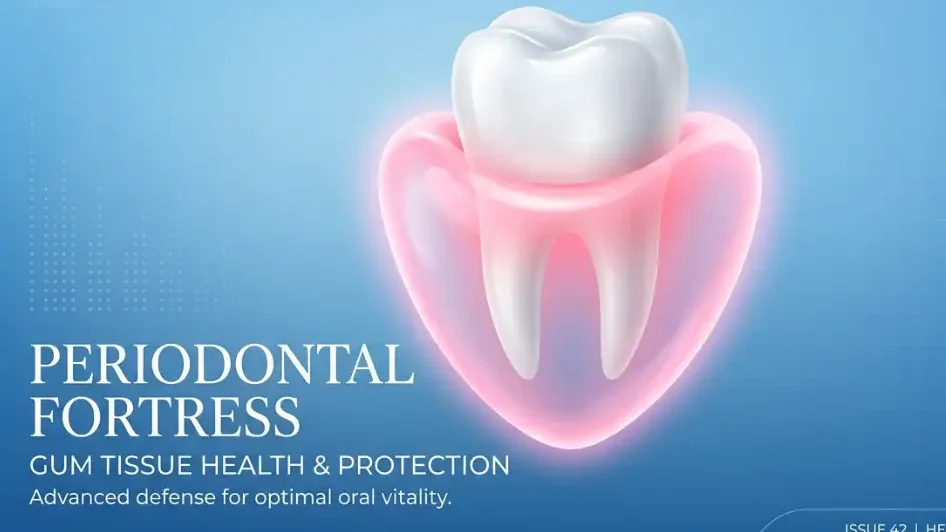
Gingival recession occurs when the gum margin, the edge of gum tissue that meets the tooth, moves apically (toward the root) instead of staying at its original position near the crown of the tooth. This exposes part of the root surface, which is softer than enamel and more vulnerable to sensitivity and decay.
Recession usually develops gradually, so many people notice it through its effects rather than the process itself:
- Sensitivity to hot, cold, sweet, or acidic foods
- A tooth that looks longer than it used to
- A visible line or notch where the root becomes exposed
- Gums that appear red, swollen, or irritated
- Bleeding when brushing or flossing
- A groove or indentation felt at the gumline
- In more advanced cases, looseness in the affected tooth
The extent of recession matters. Mild gum recession may involve slight root exposure with few symptoms, while severe gum recession can expose a larger portion of the root, involve several teeth, and coincide with loss of the bone that supports the tooth.
What Causes Receding Gums?
Gum recession typically results from a combination of factors rather than a single cause. A 2025 systematic review and meta-analysis found the strongest associated risk factors to be periodontitis, a high frenulum attachment, dental plaque buildup, and occlusal trauma, with smoking and alcohol consumption also significantly associated. Other factors commonly seen in clinical practice include:
- Periodontal disease. Bacterial infection along the gumline can break down the tissue and bone that support the tooth, leading to both pocket formation and recession.
- Aggressive brushing. Brushing with excessive force or a hard-bristled brush can mechanically wear away thin gum tissue over time, particularly on the outer surfaces of teeth.
- Thin gum tissue and tooth position. Some people are born with a thinner band of gum tissue, or with certain teeth positioned slightly outside the dental arch, both of which make recession more likely even with normal brushing habits.
- Bruxism (teeth grinding or clenching). The added mechanical stress from grinding may contribute to changes in the bone and soft tissue around the affected teeth.
- Tobacco use. Smoking is strongly associated with periodontal disease and can also affect blood flow to the gum tissue, which may influence both recession risk and healing after treatment.
- Orthodontic movement or bite misalignment. Moving teeth through thin bone, or an uneven bite, can place localized pressure on the gum tissue in certain areas.
- Oral piercings or repetitive habits. Jewelry or repeated friction against the gum tissue can cause localized, mechanical recession in specific spots.
Because several of these factors often overlap, a periodontist doesn’t just look at the recession itself but tries to identify which factor, or combination of factors, is actually driving it in your case.
When Should You See a Periodontist for Gum Recession?
Many cases of recession are first noticed during a routine dental exam. It’s reasonable to seek a periodontal evaluation if you notice:
- Increasing tooth sensitivity
- Gums that appear to be pulling back or a tooth that looks longer
- Bleeding, swollen, or tender gums
- Looseness in a tooth
- Discomfort while chewing
- Visibly exposed roots, especially if the exposure seems to be increasing
Not every case of mild recession needs treatment right away. Some cases remain stable for years with good oral hygiene and monitoring. A periodontist can help determine whether your recession is stable, actively progressing, or associated with an underlying condition such as periodontal disease that needs to be addressed.
What Happens During a Periodontal Examination?
A periodontal evaluation is built around answering two questions: how much recession is present, and what’s causing it. Several measurements and checks typically make this possible.
Examining the Gumline and Measuring Recession
The periodontist visually inspects the gum tissue around each tooth and measures how far the gum margin has moved from its original position, giving a baseline for how much root is exposed.
Measuring Periodontal Pocket Depth and Clinical Attachment Loss
Using a slim, calibrated probe, the periodontist measures the depth of the space between the gum and the tooth, known as pocket depth, and calculates clinical attachment loss, which reflects how much of the tooth’s supporting tissue has been lost. Together, these measurements show whether periodontal disease is contributing to the recession and how severe it is.
Checking for Bleeding, Inflammation, and Tooth Mobility
Bleeding when the gum tissue is gently probed, along with visible inflammation, are signs of active gum disease rather than stable, non-inflamed recession. The periodontist also checks whether any teeth have become loose, which can indicate more advanced loss of supporting bone.
Reviewing Contributing Habits and History
The exam typically includes a review of brushing technique, bite alignment, grinding habits, tobacco use, and relevant medical history, since these factors often explain why recession developed in the first place and help guide which treatment approach makes sense.
How Does a Periodontist Treat Receding Gums?
Treatment for gum recession is not one standard procedure. It depends on the underlying cause, how severe the recession is, whether periodontal disease is active, how much healthy gum tissue remains, tooth position, bone support, and the symptoms you’re experiencing.
It helps to separate two different goals. The first is controlling whatever is causing the recession to continue, such as active gum disease, aggressive brushing, or grinding. The second, which is a separate step, is restoring gum coverage over root surfaces that are already exposed. Addressing the cause can stop recession from getting worse, but it does not bring back tissue that has already been lost. Restoring that coverage, when appropriate, generally requires a grafting procedure.
Treating Active Periodontal Disease
When periodontal disease is present, the initial focus is usually scaling and root planing, a deep cleaning that removes plaque and calculus from below the gumline and smooths the root surface. This is mainly relevant when active infection or inflammation is driving the recession, rather than for cases of stable, non-inflamed recession.
Adjusting Oral Hygiene Habits
For recession linked to plaque buildup or brushing technique, a periodontist may recommend a softer-bristled brush, a modified brushing technique, and in some cases an antimicrobial rinse to reduce inflammation and help prevent further tissue loss.
Managing Bruxism With a Night Guard
If teeth grinding appears to be contributing to recession, a custom night guard can reduce the mechanical stress placed on the teeth and surrounding tissue.
Gum Grafting
When recession has progressed to the point of significant root exposure, or is causing ongoing sensitivity, esthetic concern, or an increased risk of root decay, gum graft surgery may be considered. Grafting adds tissue to the affected area to cover the exposed root and create a more durable band of gum tissue. It’s a treatment option for appropriate cases rather than a routine step for every person with recession, and complete root coverage isn’t guaranteed in every case; the amount of coverage achieved depends on factors like the size of the recession and the condition of the surrounding tissue.
Connective Tissue Grafting
A connective tissue graft is one of the most researched and commonly used grafting techniques for root coverage. Tissue is typically taken from beneath the surface of the palate, or in some cases from a donor tissue source, and placed over the exposed root.
Regenerative Procedures
When recession is accompanied by bone loss, a periodontist may combine grafting with regenerative techniques, such as bone grafting material or guided tissue regeneration, aimed at helping rebuild lost support around the tooth. Not every case of recession involves bone loss significant enough to warrant this approach.
Can Receding Gums Grow Back Naturally?
Generally, no. Gum tissue does not regenerate on its own the way skin heals after a minor cut. Once the gum margin has receded and root surface is exposed, that tissue typically stays where it is unless it’s addressed with a grafting procedure. This is why controlling the underlying cause early matters: it can prevent recession from advancing further, even though it won’t restore tissue that’s already been lost.
Does Everyone With Gum Recession Need a Gum Graft?
No. The decision depends on several things, including how far the recession has progressed, whether it’s continuing to worsen, how much gum tissue remains, the level of sensitivity or discomfort, esthetic concerns, and the risk of root decay in the exposed area. Mild, stable recession without active disease is often managed with monitoring and improved oral hygiene rather than surgery. A periodontist can assess where your specific case falls after an evaluation.
What Happens If Gum Recession Is Left Untreated?
Recession that isn’t monitored or addressed can potentially lead to:
- Ongoing or worsening tooth sensitivity
- Higher risk of root decay, since the exposed root lacks the enamel layer that protects the crown of the tooth
- Continued loss of the bone that supports the tooth
- Increased risk of active periodontal disease if inflammation is present
- Tooth mobility
- In advanced, long-standing cases, an increased risk of tooth loss
This progression isn’t inevitable for everyone. Recession can also remain stable for years, particularly when the underlying cause is controlled. Regular monitoring is what allows a periodontist to tell the difference.
How Long Does Recovery Take After Gum Recession Treatment?
Recovery varies by procedure. Scaling and root planing typically involves mild sensitivity for a few days afterward. Gum grafting and connective tissue grafting generally require one to two weeks of initial healing, and full tissue maturation can take longer. Aftercare commonly includes:
- Eating soft foods and avoiding direct chewing on the treated area
- Brushing gently around the surgical site as directed
- Avoiding tobacco use, which can slow healing
- Using any prescribed rinse or medication as instructed
- Attending follow-up visits so healing can be confirmed
Because healing time depends on the extent of the procedure and individual factors, it’s best to follow the specific aftercare plan given by your periodontist.

Can Gum Recession Be Prevented From Getting Worse?
While already-receded tissue won’t reverse on its own, several habits can help reduce the risk of recession worsening or developing in new areas:
- Brush twice daily with a soft-bristled brush and a gentle technique
- Floss daily to reduce plaque buildup along the gumline
- Use fluoride toothpaste to help protect exposed root surfaces from decay
- Keep up with regular dental checkups for early detection
- Treat periodontal disease promptly if it’s diagnosed
- Avoid tobacco products
- Wear a night guard if grinding is a contributing factor
- Ask your dentist or periodontist to review your brushing technique if you’ve had recession before
Dentist vs Periodontist for Receding Gums
A general dentist can often identify early gum recession during a routine exam and may manage mild, straightforward cases, such as recession linked to brushing technique, with hygiene guidance and monitoring. A periodontist has additional specialized training in the gum tissue and bone that support the teeth and is typically the more appropriate choice when:
- Recession is moderate to severe
- Periodontal disease is present or suspected
- Bone loss around the tooth is suspected
- Gum grafting or another surgical procedure is being considered
- Recession keeps progressing despite improved home care
In practice, a general dentist is often the starting point for detection, while a periodontist becomes relevant for diagnosing the specific cause in more advanced cases and for performing procedures like grafting.
Frequently Asked Questions
What does a periodontist do for gum recession?
A periodontist evaluates the cause and severity of gum recession and recommends appropriate treatment, which may include monitoring, periodontal therapy, or gum grafting.
When should I see a periodontist for receding gums?
You should consider seeing a periodontist if your gum recession is worsening, exposing the tooth root, causing sensitivity, or associated with gum disease.
Can a periodontist fix receding gums?
A periodontist can treat the underlying cause of recession and may use gum grafting or other periodontal procedures to cover exposed roots and protect the tooth.
How does a periodontist treat gum recession?
Treatment depends on the cause and severity. Options can include improving oral hygiene, treating periodontal disease, reducing trauma from brushing, or performing a gum graft.
Do all receding gums need a gum graft?
No. Mild, stable recession may only require monitoring and preventive care. A gum graft may be recommended when recession is progressing or causing significant root exposure or sensitivity.
Is a periodontist better than a dentist for gum recession?
A general dentist can evaluate gum recession, but a periodontist specializes in the gums and supporting tissues around teeth and can provide advanced periodontal treatments when needed.
This article is for general educational purposes and does not replace an individual evaluation by a dental professional. Only a dentist or periodontist can assess the cause and severity of gum recession for a specific person.
References
- Journal of the American Dental Association: Prevalence and etiology of gingival recession
- CDC: Gum Disease Fast Facts
- ScienceDirect: Systematic review and meta-analysis, 2025