Cheapest Way to Replace a Missing Tooth: Real 2026 Costs
The cheapest way to replace a missing tooth is usually a flipper, from about $300. Compare costs, lifespan, and ways to save on each option.
The cheapest way to replace a missing tooth is a dental flipper, a removable acrylic tooth on a small gum-colored base that usually costs $300 to $700 and can be ready within days. It is a temporary fix, so most people on a tight budget use a flipper or partial denture now and plan for something sturdier later.
This guide ranks every realistic option by price, shows what each one costs per year of use, and explains which choice fits a front tooth, a back tooth, or several gaps. It also covers the programs that can lower a dental bill in the US and why waiting can raise the price of fixing the gap.
Cheapest Way to Replace a Missing Tooth, Ranked by Price
Prices below are typical US ranges for one missing tooth, before insurance. They vary by city, dentist, and materials.
| Option | Typical cost | Typical lifespan | Removable? | Best for |
|---|---|---|---|---|
| Dental flipper | $300 to $700 | 6 to 12 months in many cases | Yes | Short-term stopgap |
| Partial denture | $500 to $2,500 | 3 to 8 years | Yes | Back teeth or several gaps |
| Maryland bridge | $1,200 to $2,500 | 5 to 7 years | No | One front tooth |
| Traditional bridge | $1,500 to $5,000 | 10 to 15 years | No | One tooth with healthy neighbors |
| Single dental implant | $3,000 to $6,000 | 20+ years | No | Long-term value |
Get a written estimate before you decide. Two quotes $500 apart often differ only in what they include, such as X-rays, extraction, and follow-up adjustments.
How Each Low-Cost Option Works
Dental flipper: the cheapest and fastest
A flipper is a single replacement tooth set in a lightweight acrylic plate that rests on your gums and snaps in and out. Because it is quick to make, dentists often offer it right after an extraction while the area heals or while you save for a final restoration.
It is meant mainly for appearance. It is fragile, can crack under heavy chewing, and does nothing to slow bone loss, so dentists generally plan to upgrade it within 6 to 12 months. Picture someone who loses an upper front tooth in a fall and has about $500 to spend. A flipper restores a normal-looking smile within days and buys time to arrange a permanent fix.
Partial denture: the cheapest long-term removable option
A removable partial denture holds one or more replacement teeth on a gum-colored base, usually secured by clasps on neighboring teeth. Acrylic versions are cheapest, cast metal ones cost more but are thinner and tougher, and flexible nylon versions cost the most but avoid metal clasps.
Partials work in any part of the mouth and can fill several gaps at once. The trade-offs are daily removal for cleaning, gradual loosening, and relines (typically $200 to $400) every year or two.
Maryland bridge: the cheapest fixed option for a front tooth
A Maryland bridge, also called a resin-bonded bridge, holds a false tooth with thin wings bonded to the back of the neighboring teeth. It needs little or no filing of healthy enamel, so it is the most conservative bridge design.
Published reviews of resin-bonded bridges for front teeth report strong five-year survival, though some bridges come loose and need re-bonding. It rarely suits back teeth, where chewing forces can pop the wings off.
Traditional bridge: fixed, but neighbors get reshaped
A traditional three-unit bridge places a crown on each neighboring tooth with the false tooth in between. It lasts 10 to 15 years in many cases, but the two supporting teeth must be reshaped permanently. That makes the most sense when those teeth already need crowns.
Single dental implant: highest price, lowest cost per year
An implant is a titanium or zirconia post that replaces the root, fuses with the jawbone, and carries an abutment and crown. It does not depend on neighboring teeth and can last decades. You need enough healthy bone and gum tissue. If the bone has thinned, a graft adds cost and several months before the implant can go in.
Is the Cheapest Option Also the Cheapest Over Time?
Day-one price and cost per year of use rank the options differently. The figures below are example assumptions inside the ranges above, not quotes.
| Option | Example price | Example lifespan | Approx. cost per year |
|---|---|---|---|
| Flipper | $500 | 1 year | $500 |
| Partial denture | $1,000 | 5 years | $200 |
| Maryland bridge | $1,800 | 6 years | $300 |
| Traditional bridge | $3,000 | 12 years | $250 |
| Single implant | $4,500 | 25 years | $180 |
The implant comes out cheapest per year, but only if you can afford the upfront payment, your bone and gums can support it, and it lasts as long as assumed. The crown on top may need replacing sooner than the post. Removable options also carry running costs the table leaves out, such as relines, repairs, and a remake when the base wears out.
If the money is not there today, a flipper or partial denture is a sound way to start. If you can stretch to a bridge or implant through financing, the yearly cost is lower.
Best Cheap Option for a Front Tooth vs a Back Tooth
Missing front tooth
Appearance drives this choice. A flipper covers the gap fastest, and a Maryland bridge is the least expensive fixed upgrade. If you are unsure how dentists label your tooth, a guide to front and back tooth numbers makes it easier to describe the gap.
Missing back tooth
Chewing matters more than looks here. A partial denture is the lowest-cost route, and a traditional bridge or implant is sturdier. A flipper is not built for heavy chewing, and a Maryland bridge is a poor fit for molars. Even if the gap is hidden, the tooth above or below can drift toward it, so a gap rarely stays a “free” problem.
Several missing teeth
A partial denture usually costs less than multiple bridges or implants and can fill gaps in different parts of the mouth. Bridges only work when the missing teeth sit next to each other.
When You May Not Need to Replace a Tooth
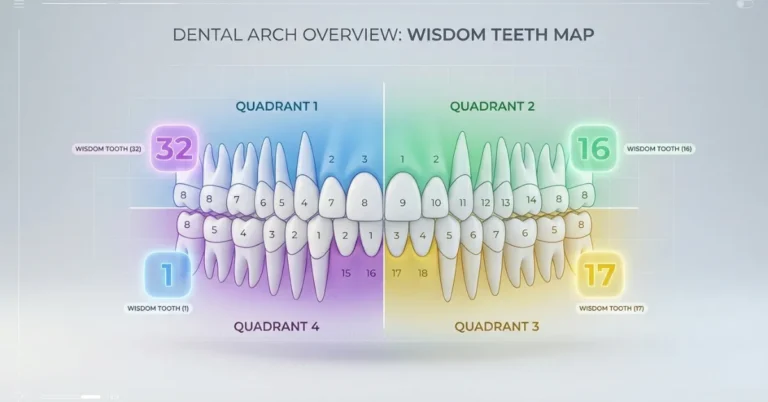
Missing wisdom teeth, including those lost to wisdom tooth removal, are usually not replaced. They sit at the very back and are not needed for normal chewing. Some people are also born without them. Your dentist can confirm whether the tooth opposite the gap could drift into it.
Why Waiting Can Make the Gap More Expensive
After a tooth is pulled, the jawbone around the empty socket remodels and shrinks. A systematic review of bone loss after tooth extraction found horizontal bone loss of 29% to 63% and vertical loss of 11% to 22% within six months, with about a third of the width lost in the first three months.
Less bone can mean a graft before an implant, which adds cost and extends the timeline. The page on how long a bone graft takes to heal before an implant shows how much time that can add. Neighboring teeth can also tilt into the gap, and the opposing tooth can grow toward it, which may lead to bite changes or orthodontic work later. A cheap temporary now can protect your options for the permanent fix.
How to Pay Less for Tooth Replacement
- Dental school and dental hygiene clinics. Supervised students and residents often charge reduced fees. Search the directory of accredited dental school and dental hygiene programs and call to ask about prosthodontic services.
- Community health centers. HRSA-supported centers often charge by income. HRSA’s guide to low-cost dental care options through health centers and schools explains how to find one.
- Medicaid. Adult dental coverage varies by state, with some covering dentures or partials and others only emergencies. This overview of Medicaid and other low-cost dental programs is a good starting point.
- Medicare. Original Medicare dental coverage rules exclude most routine care, tooth extractions, and dentures. Some Medicare Advantage plans include dental, so check yours.
- Discount plans and cash discounts. Dental membership plans lower fees at participating dentists, and some offices discount full payment up front. Ask.
- Payment plans and financing. Compare interest rates before agreeing to anything.
- HSA or FSA funds. Dental treatment is generally an eligible expense.
- Dental tourism. It can cut the sticker price, but weigh travel costs, follow-up care, and who fixes problems after you return.
- Phase the treatment. Start with a flipper or partial and schedule the permanent restoration later.
What to Ask Before You Accept a Quote
- Is this price per unit or for the whole restoration?
- Does it include the exam, X-rays, extraction, and follow-up adjustments?
- Will neighboring teeth be reshaped, and can that be reversed?
- How long should this last, and is there a warranty or remake policy?
- Will I need a bone graft or gum treatment first?
- Can I pay in installments, and what is the interest?
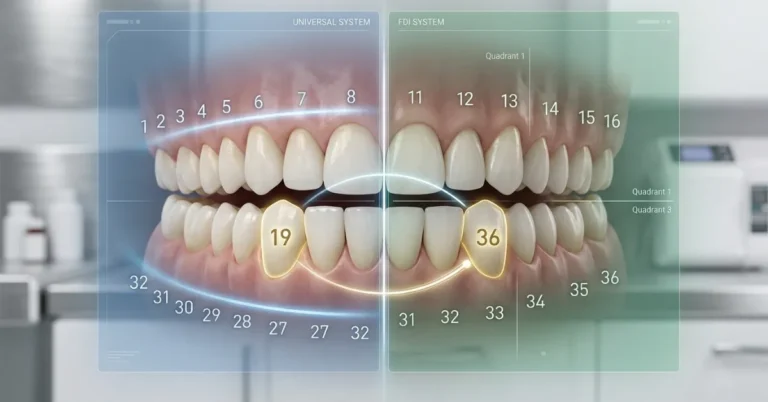
Name the tooth precisely when you call. A chart of teeth names and numbers helps you describe it the same way the office does.
Common Mistakes That Make a Cheap Fix Costly
- Treating a flipper as permanent. It is a stopgap, and ignoring that leads to breakage and a remake.
- Judging only by the sticker price. The lowest quote is not always the lowest cost over years.
- Assuming a hidden back tooth does not matter. Drifting teeth and bite changes can cost more later.
- Relying on over-the-counter temporary tooth kits. They can cover a gap for a short time but do not replace an exam or a custom fit.
FAQ
What is the cheapest option to replace one missing tooth?
A dental flipper, which typically costs $300 to $700 for a single tooth. It is temporary.
What is the cheapest way to replace a missing front tooth?
A flipper is cheapest and fastest. A Maryland bridge is the least expensive fixed option for a front tooth.
What is the cheapest way to replace a missing back tooth?
A partial denture is usually the lowest-cost lasting option. Maryland bridges and flippers are poor fits for heavy chewing.
How long does a flipper last?
Often 6 to 12 months, and sometimes longer with careful use. Most dentists plan to replace it with something permanent.
What is the quickest way to replace a missing tooth?
A flipper, which can often be ready within days after an impression.
Does insurance cover tooth replacement?
Many dental plans pay part of bridges, dentures, and sometimes implants, subject to waiting periods and annual maximums. Original Medicare generally does not.
Do I need to replace a missing wisdom tooth?
Usually not. Wisdom teeth are not needed for normal chewing, but ask your dentist about drift.
Can I leave a missing tooth gap alone?
You can, but neighboring teeth may tilt, the opposing tooth may drift, and the jawbone shrinks over time. A temporary fix can limit that.
Can I get a missing tooth replaced for free?
Rarely. Dental school clinics, health centers, and some state programs can cut costs sharply, and a few offer free or sliding-scale care.
Conclusion / Key Takeaways
The cheapest way to replace a missing tooth is a flipper at about $300 to $700, with a partial denture as the lowest-cost lasting removable option. A Maryland bridge is the cheapest fixed choice for a single front tooth, and a bridge or implant makes more sense for back teeth.
- Rank by price first, then by cost per year: an implant costs the most upfront and the least per year.
- Front teeth favor a flipper then a Maryland bridge; back teeth favor a partial denture, bridge, or implant.
- Waiting can cost more: bone shrinks and teeth drift within months.
- Dental schools, health centers, discount plans, and phased treatment can lower the bill.
- Missing wisdom teeth are usually not replaced.
- Get written quotes that spell out what is included before you commit.