
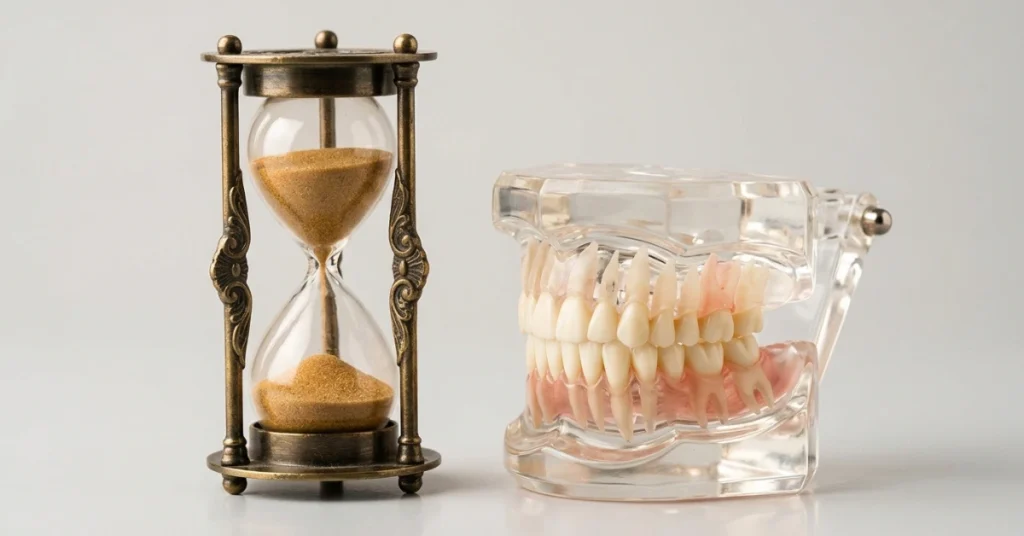
How Did Wisdom Teeth Get Their Name? The Shocking Truth
The information is medically and scientifically verified and is provided for educational purposes only and is not intended to replace professional dental advice, diagnosis, or treatment. Always consult a qualified dentist or healthcare provider for personalized care and recommendations.
Ever wonder how wisdom teeth get their name? Discover the real historical origin, age timeline, and origin story of third molars. Read the full answer!
What Are Wisdom Teeth?
Wisdom teeth are your third molars, one in each back corner of the mouth. Most people grow four. Some grow fewer, and some never grow any at all. Unlike your other teeth, third molars don’t erupt until the late teens or early twenties, roughly a decade behind everything else in your mouth.
| Fact | Detail |
|---|---|
| Dental name | Third molars |
| Typical eruption age | 17 to 25 years |
| Average number | Four |
| Historical role | Extra chewing power |
Why Are They Called Wisdom Teeth?
These teeth erupt during the late teens into the early twenties, a stretch of life older generations treated as the start of adulthood. Someone growing these teeth was old enough to be considered mature, and by the standards of the time, wiser than a child.
Aristotle noted these late-arriving molars centuries ago. That idea carried into Latin as dens sapientiae, meaning tooth of wisdom, then spread into French, German, and eventually English. Many other languages still tie the name to age rather than function, which is rarely a coincidence. It usually means different cultures noticed the same obvious pattern independently.
When Do They Actually Come In?
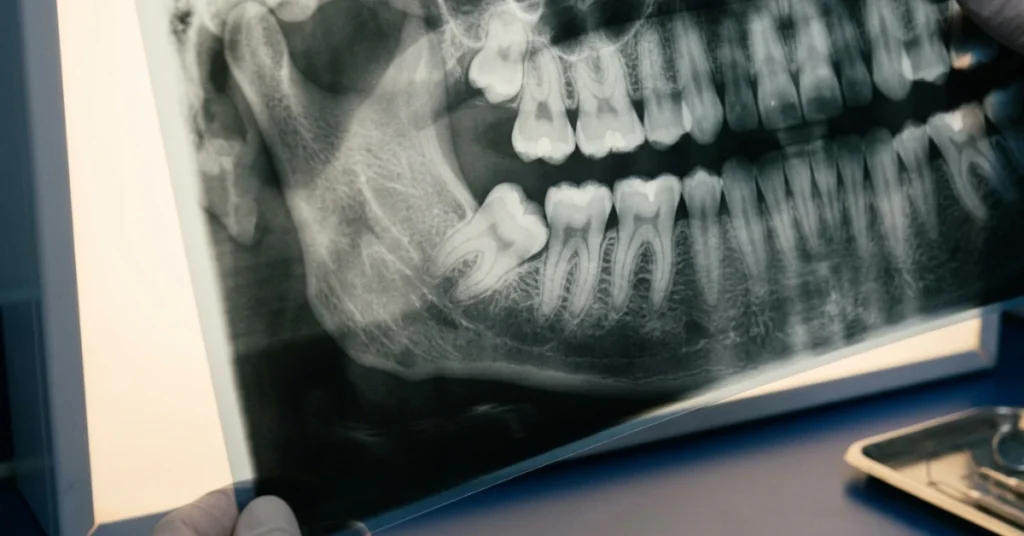
Most people notice wisdom teeth erupting somewhere between 17 and 25. Signs include sore gums near the back of the mouth, mild jaw aching, pressure behind the second molars, and trouble chewing tougher foods. Some third molars stay fully hidden and only turn up on routine dental X-rays.
Why Did Humans Evolve a Third Molar?
Early humans chewed through raw roots, tough plant fiber, and uncooked meat daily, and that diet wore teeth down fast. A third molar acted as a built-in backup, stepping in as older molars wore out. That need faded as cooking and farming softened diets, while human jaws slowly shrank over generations. The result is a mouth that often doesn’t have room for a tooth it still tries to grow.
Why Did Humans Evolve a Third Molar?
Modern jaws are frequently too small for a third molar to erupt properly. That mismatch shows up as:
- Impacted wisdom teeth
- Crowding against neighboring teeth
- Gum inflammation
- Cavities in hard-to-reach spots
- Food trapping and infection near partly erupted teeth
Not every wisdom tooth causes trouble, but dentists keep a close eye on them during regular checkups.
Do They Always Need to Come Out?
No. A wisdom tooth that erupts fully, sits properly aligned, and is easy to clean can often stay for life. Removal usually gets recommended when a tooth keeps causing pain, becomes infected, damages a neighbor, develops decay, stays impacted, or raises the risk of a cyst. The decision comes down to that specific tooth, not age alone.
Frequently Asked Questions:
Why are wisdom teeth called waisdom teeth?
They are called wisdom teeth because they usually erupt between ages 17 and 25, a time traditionally associated with maturity and wisdom.
Why do wisdom teeth grow so late?
Wisdom teeth are the last permanent teeth to develop, so they erupt years after all the other adult teeth.
What is the medical name for wisdom teeth?
The medical name for wisdom teeth is third molars.
Do all people have wisdom teeth?
No. Some people develop all four wisdom teeth, while others have fewer or none due to genetics.
Do wisdom teeth always need to be removed?
No. Healthy, properly aligned wisdom teeth that are easy to clean often do not need to be removed.
The Real Story Behind the Name:
So, how did wisdom teeth get their name? It comes down to timing. These third molars earned their name because they show up during a stage of life once linked with maturity, a pattern that shows up across languages going back thousands of years. Modern jaws shrank as the need for extra chewing power faded, which is why so many people deal with impacted or crowded wisdom teeth today. That doesn’t mean every wisdom tooth is a problem. Regular checkups and the occasional set of dental X-rays are the simplest way to know whether yours need attention or just time.

2 Comments