Are Bones Bad for Dogs’ Teeth? What Vets Actually Say
Wondering if bones are bad for dogs’ teeth? See the real risks, the dental benefits, and how to choose safer chews.
Are bones bad for dogs’ teeth? The honest answer is: it depends on the bone, the dog, and how it’s chewed, since bones can both clean teeth and crack them. As a longtime dog owner who’s sat in the vet’s waiting room after a chewing mishap, I understand the worry behind this question, and the mix of tartar removal, tooth fractures, and gum disease that makes it so confusing.
This guide walks through the dental health tradeoffs pet parents actually face, from plaque-scraping benefits to the very real risk of a broken tooth, so you can make an informed, vet-aligned choice for your dog. We’ll cover marrow bones, cooked bones, senior dogs, and safer chewing alternatives along the way.
Should My Dog Chew Bones?
Chewing feels instinctive to dogs, and many owners assume a bone is simply what a dog is supposed to gnaw on. But dental health experts note that chewing satisfaction doesn’t automatically mean a bone is a safe chew, since hardness, size, and preparation all shape whether that instinct ends well for your dog’s teeth and gums.
The honest picture is mixed: some chewing behavior genuinely supports oral health, reducing plaque and tartar buildup, while other chewing sessions end in a cracked tooth or an emergency vet visit. Weighing that tradeoff, rather than assuming bones are automatically fine, is the smarter starting point for any dog parent.
Are Bones Bad for My Dog’s Teeth?
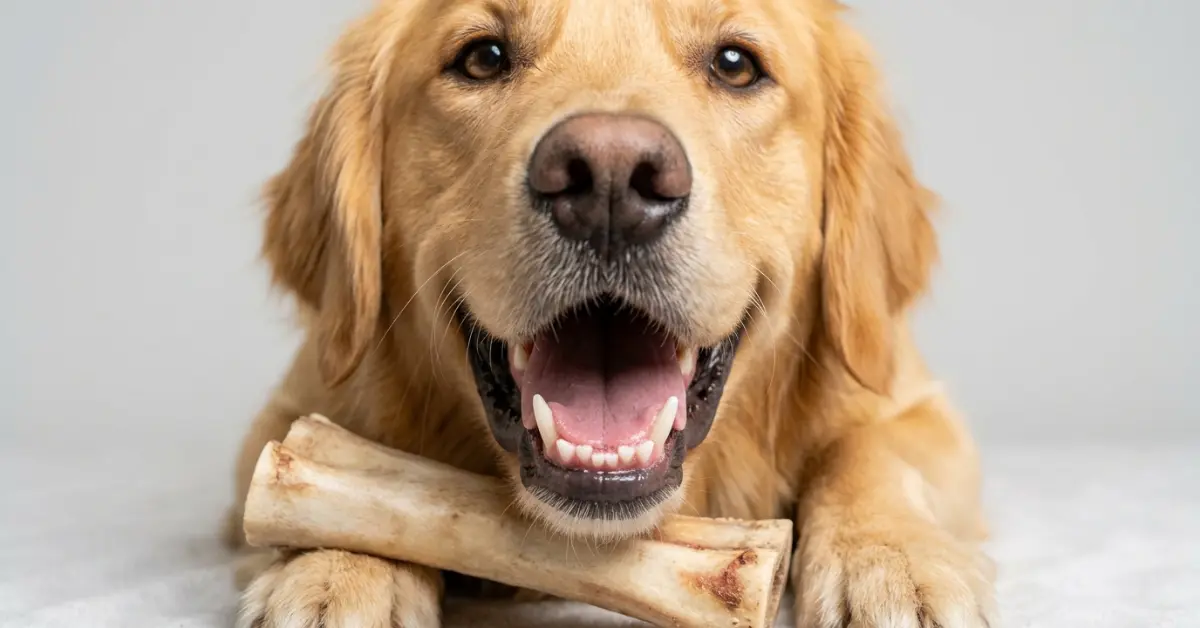
Bones have long been called nature’s toothbrush and there’s real substance behind that reputation, since the gnawing motion scrapes tartar and can meaningfully cut bacteria linked to gum disease. But that same hardness is exactly what puts tooth enamel and the dental structure underneath at risk during an aggressive chewing session.
So are bones bad for dogs’ teeth across the board? Not universally. The dental outcome depends heavily on bone type, density, and how long your dog is left chewing unsupervised. Marrow bones, cooked bones, and weight-bearing bones each carry a different risk profile for tooth fractures and oral injury.
The Benefits of Chewing on Marrow Bones for Dogs
Regular chewing on marrow bones has been linked to notably fewer dental-disease bacteria and less tartar buildup after just a couple weeks of consistent use. Marrow itself supplies calcium, phosphorous, and collagen, nutrients tied to jaw strength and healthy teeth, while the mental stimulation of gnawing can curb destructive chewing on furniture.
The Dental Risks of Chewing on Marrow Bones for Dogs
Tooth fractures remain the most common dental complaint tied to real bones, which is exactly why the debate over dental safety persists among pet owners and veterinarians. Hard bones can simply exceed what canine tooth enamel can withstand, so the risk of a cracked or broken tooth is genuine and shouldn’t be dismissed as rare or unlikely.
Are Bones Safe for Dogs to Eat?
Whether bones are safe to eat depends on balancing dental health upside against digestive and choking risks, since chewing can stimulate saliva enzymes that fight plaque buildup while also supplying minerals dogs need. That nutritional and dental appeal is real, which is part of why the question keeps coming up among pet parents researching chew safety.
At the same time, veterinarians widely warn that letting a dog chew unsupervised on bones brings serious health risks beyond the mouth. Digestive upset, splintering, and obstruction risk mean the pros of bone chewing have to be weighed carefully against the cons before deciding what’s appropriate for your dog.
Pros of Dogs Chewing on Bones
Chewing can promote dental health by scraping plaque and tartar, act as a natural toothbrush, and provide mental stimulation that relieves boredom or anxious energy. Bones also carry nutritional value, including marrow fat, calcium, phosphorus, and trace minerals, giving chew time a functional upside beyond simple entertainment for most healthy dogs.
Cons of Giving Bones to Dogs
Dental injuries are a real cost of chewing bones, since dogs may crack or fracture teeth on hard, weight-bearing bones, leading to pain and costly procedures. Splintering bones can also cause choking or intestinal obstruction, and fatty bones sometimes trigger digestive issues like pancreatitis, constipation, or diarrhea in sensitive dogs.
Reducing Risks to Get the Benefits of Marrow Bones
If the goal is dental benefit without the emergency vet trip, risk reduction comes down to a handful of concrete habits pet owners can control directly. Bone type, preparation, chew duration, and supervision all shape whether a chewing session ends in cleaner teeth or a cracked tooth.
None of these steps eliminate risk completely, since any real bone carries some chance of a dental injury under the wrong conditions. But applying them consistently meaningfully lowers the odds, letting dogs enjoy tartar-reducing chew time while protecting their teeth and digestive health over the long run.
Reduce Fighting
Fighting with other dogs, not bone chewing, is the leading cause of broken teeth, so spaying or neutering, leash training, and socialization all indirectly protect dental health. Bones can double as training rewards, channeling chewing instinct productively while easing the anxiety that sometimes drives destructive behavior.
Consider the Type of “Bone”
Antlers and hooves are classified as hard chewing materials rather than true bones, and they’re generally too dense to soften enough for safe gnawing. Beef marrow bones are considered edible chewing material, softer than antlers but still firm enough that supervision and moderation matter for tooth safety.
Make Sure They’re Prepared Correctly
Bones prepared through a slow, low-heat process tend to hold a safer density, reducing the splinter risk that comes with high-heat cooking or completely raw preparation. Choosing bones processed this way helps balance the dental-cleaning benefit against the fracture and shard risk that concerns most veterinarians.
Avoid Dairy Cow Bones
Bones sourced from retired dairy cows often come from older animals whose bones have been depleted of nutrients over years of milk production. These bones can carry a higher risk of osteoporosis-like fragility, which may affect density and splintering behavior compared to bones from younger cattle.
Limit Chew Time
Restricting chew sessions to short, supervised windows a few times a week prevents the kind of prolonged, high-intensity gnawing that raises fracture risk. Free-range, all-day access tends to increase both the force and duration of chewing, both of which push a healthy tooth closer to its breaking point.
Can You Give a Dog Any Kind of Bone to Chew Safely?
Not every bone carries the same risk profile, and choosing wisely matters more than avoiding bones outright. Raw bones tend to splinter less than cooked ones, supervised chewing catches problems early, and synthetic or vet-approved chews offer a lower-risk alternative for dental maintenance.
Rubber chew toys, nylon bones, and dental-specific chews are widely available and designed to be durable without the same splinter or fracture profile as real bone. For many dogs, a vet-approved dental chew delivers similar plaque-fighting benefits with meaningfully less risk to tooth enamel.
What Safe Things Can I Give My Dog to Chew?
There are plenty of chewing products designed with safety in mind, and rawhide remains a common option when chosen carefully by pet owners. Thick, US-sourced hides without knotted ends reduce the choking risk that comes with smaller pieces breaking off during a chewing session.
Dental health chews carrying the Veterinary Oral Health Council seal offer another route, since that approval signals independent evaluation of a product’s ability to support oral health. Looking for that seal takes some of the guesswork out of choosing a dental-safe chew for your dog’s routine.
Dog Bones for Senior Dogs
Older dogs with existing dental damage face a different calculation than younger, healthy-toothed dogs when it comes to bone chewing. Tooth decay and loss become more common as dogs age, and a bone that’s fine for a two-year-old may be genuinely painful for an eleven-year-old with compromised teeth.
Softer alternatives, like cartilage-based chews, can preserve some dental-cleaning benefit without demanding the same bite force a hard bone requires. For senior dogs already showing signs of tooth decay, a gentler chew protects comfort while still supporting gum health and reducing plaque buildup.
How Do I Decide if Bones Are a Safe Option for My Dog?
Deciding whether bones fit your dog’s routine means weighing dental health, mental stimulation, and nutrition against fracture, choking, and digestive risk. There’s no single answer that applies to every dog, since chewing style, age, breed, and existing dental condition all shift where that balance lands.
Consulting your veterinarian before making bones a regular habit is a genuinely useful first step, especially for dogs with a history of aggressive chewing or dental issues. That conversation can help you match bone type, size, and supervision level to your specific dog’s risk profile.
So, Are Bones Bad for Dogs’ Teeth?
The honest answer is: it depends. Bones can meaningfully clean teeth, strengthen jaws, and keep a dog mentally engaged, but they carry a real fracture and splinter risk that shouldn’t be ignored by pet owners chasing dental benefits alone.
Choosing the right bone type, preparing it safely, limiting chew time, and supervising every session lets most dogs enjoy the dental upside while managing the risk. When in doubt, a vet-approved dental chew offers a lower-risk way to support your dog’s teeth without the same fracture concerns.
Frequently asked questions:
Are bones bad for dogs’ teeth?
It depends on the bone. Bones can scrape away tartar and support gum health, but hard bones also carry a real risk of cracking or fracturing teeth, so moderation and supervision matter.
Should my dog chew bones?
Chewing itself is a natural instinct, but that doesn’t mean every bone is safe. Weigh the dental benefits against fracture and choking risks, and consider your dog’s chewing style and dental history first.
Are bones safe for dogs to eat?
Some are safer than others. Raw, correctly prepared bones carry less splinter risk than cooked ones, but any bone can cause dental injury, choking, or digestive upset if swallowed in fragments.
What bones can dogs eat safely?
Bones prepared to a safer density through slow, low-heat processing, and given under supervision for limited chew sessions, tend to carry lower risk than raw weight-bearing bones or cooked bones.
Are cooked bones bad for dogs?
Yes, generally. Cooking dries bones out and makes them more likely to splinter into sharp fragments that can injure the mouth, throat, or digestive tract.
How do I decide if bones are a safe option for my dog?
Consider your dog’s age, chewing intensity, and dental history, and talk to your veterinarian before making bones a regular habit, especially for senior dogs or dogs with existing dental damage.
Conclusion
So, are bones bad for dogs’ teeth? Not automatically, but they’re not risk-free either. The dental benefit is real: chewing scrapes tartar, supports gum health, and gives dogs a natural, satisfying outlet. The risk is just as real: hard or poorly chosen bones can crack a tooth, splinter into sharp fragments, or send you to the vet for something worse than a cleaning.
The safest approach isn’t picking a side; it’s managing the tradeoff. Choose the right bone type and density, prepare it correctly, limit chew sessions, supervise every time, and adjust for your dog’s age and dental history. For senior dogs or anything less than a healthy set of teeth, a VOHC-approved dental chew is usually the smarter call. Handled thoughtfully, bones can still earn their reputation as nature’s toothbrush without costing your dog a tooth.