
Can Plaque Cause Cavities? The Surprising Truth About Tooth Decay & Prevention
Can plaque cause cavities? Discover how plaque bacteria damage enamel, what causes tooth decay, early warning signs, and proven ways to prevent cavities.
Medically reviewed for accuracy by a dental professional. Last updated: August 2026.
This article is based on established dental principles around plaque, tooth decay, and cavity prevention.
Can Plaque Cause Cavities?
Yes, plaque can cause cavities. Plaque is a sticky film of bacteria that builds up on your teeth every day, and it is the main driver behind tooth decay when it is not removed regularly.
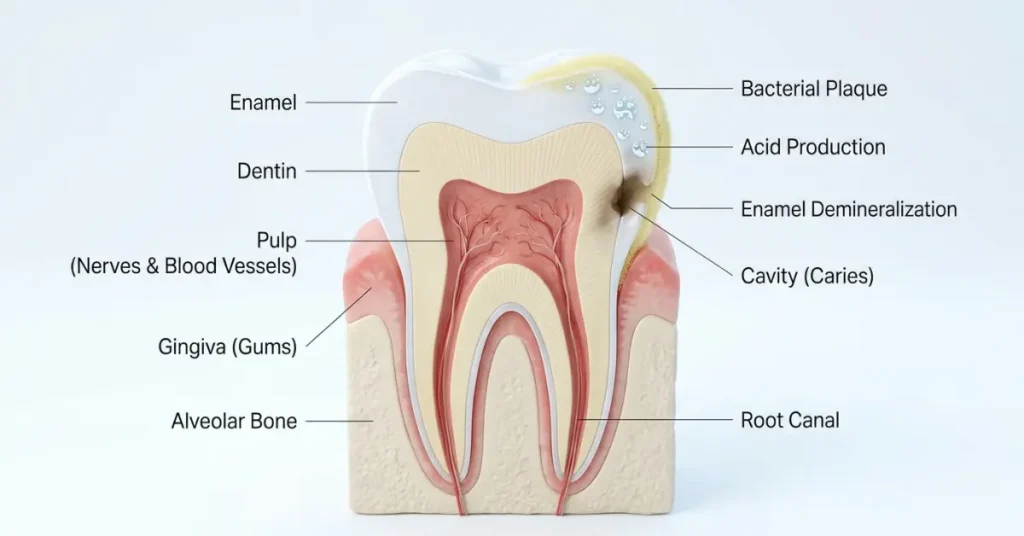
Here is how it happens: bacteria in plaque feed on sugar and starch left behind after you eat, they release acid as a byproduct, that acid pulls minerals out of your enamel, and once enough enamel is worn away, a small hole forms. That hole is a cavity.
This chain of events does not happen after a single meal or a single day of skipped brushing. It builds gradually through repeated acid exposure, which is why daily plaque removal is one of the simplest ways to protect your teeth long-term.
Plaque vs Cavities: What Is the Difference?
Plaque and cavities are closely related, but they are not the same thing, and understanding the difference helps make prevention clearer.
Plaque is the cause. It is a soft, active layer of bacteria sitting on your teeth. You can remove it yourself with a toothbrush and floss, and in its early stages it does not represent permanent damage.
A cavity is the result. It is physical damage to the tooth structure caused by repeated acid attacks from plaque bacteria over time. Once a true cavity has formed, it cannot heal on its own and needs treatment from a dentist.
In short, plaque is a daily, manageable process, while a cavity is the lasting damage that happens when that process goes unchecked.
What Is Dental Plaque?
Plaque is a soft, colorless layer made of bacteria, saliva, and leftover food particles. It forms constantly on the surface of your teeth, which is why it is nearly impossible to avoid completely.
Because plaque is colorless or pale yellow, most people cannot see it building up. You are more likely to feel it first, often as a fuzzy or slightly rough texture, especially near the gumline.
How Does Plaque Form on Teeth?
Plaque begins forming within a few hours of brushing. Bacteria that naturally live in your mouth attach to the tooth surface and combine with saliva and small food particles left behind after eating.
Every time you eat something sugary or starchy, these bacteria break down the leftover particles and produce acid as a byproduct. That acid clings to the tooth surface along with the bacteria, forming the thin, sticky film known as plaque buildup on teeth.
Frequent snacking or sipping sugary drinks throughout the day keeps feeding this cycle, since bacteria get a steady supply of fuel to keep producing acid.
Can Plaque Build Below the Gumline?
Yes. Plaque does not only form on the visible surface of your teeth. It can also collect along and below the gumline, in the narrow space between the tooth and gum tissue.
This area is naturally harder to clean because a toothbrush cannot reach very far beneath the gum edge, and plaque here is often less visible than plaque on the front of the teeth. Left undisturbed, it can irritate the gum tissue and contribute to early gum disease, in addition to raising the risk of decay near the gumline.
Daily flossing helps disrupt plaque in this space before it hardens. Professional cleanings go further, since dentists and hygienists have tools that can safely reach slightly below the gumline to remove buildup that home care alone typically cannot fully clear.
Does Plaque Cause Tooth Decay?
Yes, in most cases plaque is the underlying cause of tooth decay. Tooth decay is the broader term for the damage that happens when acid from plaque bacteria breaks down enamel and the layers underneath it. A cavity is simply the visible result once that decay has progressed far enough to create a hole.
Can Plaque Damage Enamel?
Yes. Enamel is the hard, outer layer of your tooth, and it is the first line of defense against acid attacks. Each time plaque bacteria produce acid, minerals are pulled out of the enamel in a process called demineralization.
Saliva can help redeposit some of these minerals afterward, which is part of how your mouth naturally repairs minor damage. But frequent acid exposure without enough recovery time between attacks gradually thins the enamel until it can no longer protect the tooth underneath.
Bacteria That Cause Cavities
Not all mouth bacteria are harmful. Your mouth naturally hosts hundreds of bacterial species, and most coexist without causing problems. A smaller group, most notably Streptococcus mutans, is particularly efficient at converting sugar into acid, which makes it one of the main contributors to tooth decay from plaque.
| Stage | What Happens |
|---|---|
| Plaque forms | Bacteria collect on the tooth surface |
| Sugar is consumed | Bacteria feed on sugars and starches |
| Acid production begins | Acid attacks the enamel for roughly 30 minutes after eating |
| Enamel weakens | Minerals are pulled out of the enamel, a process called demineralization |
| Cavity develops | Enamel breaks down enough to form a permanent hole |
Every sugary snack or drink can restart this cycle, so how often you expose your teeth to sugar often matters more than the total amount you eat in a day.
How Long Does Plaque Take to Cause Cavities?
There is no single timeline, since cavity development depends on several factors working together.
How often you eat sugary or starchy foods plays a big role, since each exposure restarts the acid attack cycle. Your oral hygiene habits determine how much time plaque has to sit undisturbed. Fluoride exposure affects how well your enamel can resist and recover from acid. Saliva flow influences how quickly acid gets neutralized. And individual risk factors, including genetics and existing enamel strength, affect how fast decay progresses.
Because of this, some people develop visible decay within months of consistently poor habits, while others with similar diets may take much longer, or may not develop a cavity at all if hygiene and fluoride use stay consistent.
Can Plaque Cause Cavities Between Teeth?
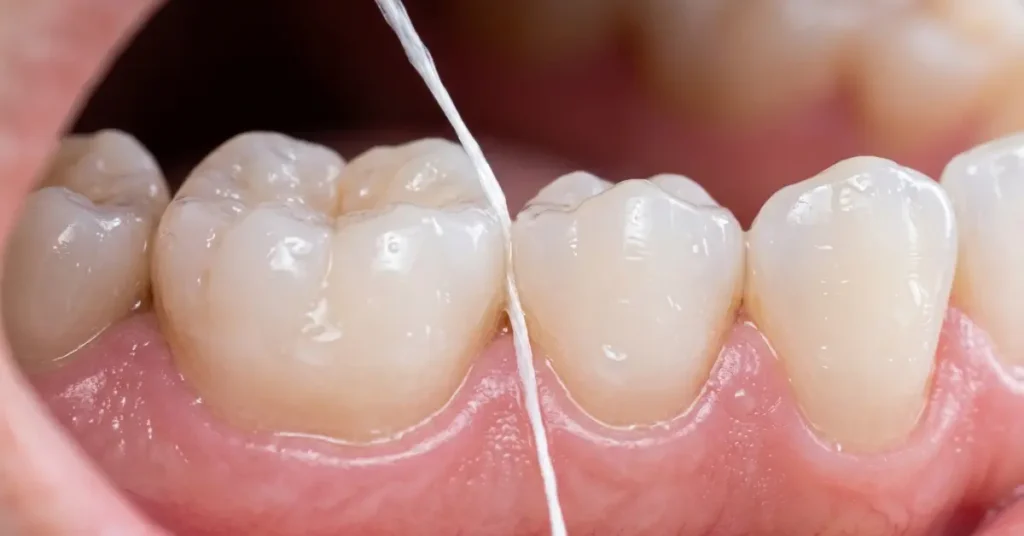
Yes, and this is actually one of the most common places for cavities to form. The tight contact points between teeth trap food particles and plaque, and a toothbrush cannot fully reach into these narrow spaces no matter how well you brush.
This is exactly why flossing matters. It is the main tool that physically removes plaque from between the teeth, where bacteria would otherwise sit undisturbed and continue producing acid. Skipping floss regularly is one of the more common reasons cavities form between teeth even in people who brush consistently.
Can You Remove Plaque Completely?
Not permanently, and that is a normal part of oral biology rather than a sign that something is wrong. Plaque begins reforming within a few hours after brushing, since bacteria are naturally present in the mouth and continuously interact with saliva and food particles.
The realistic goal is controlling plaque, not eliminating it forever. Brushing twice a day, flossing daily, and keeping up with professional cleanings keeps bacteria levels low enough that they do not have the time or fuel needed to cause significant enamel damage.
How Saliva Protects Your Teeth
Saliva plays a bigger role in cavity prevention than most people realize. It helps rinse away food particles, neutralizes some of the acid produced by plaque bacteria, and carries minerals like calcium and phosphate that support enamel remineralization.
When saliva flow is reduced, whether from dehydration, certain medications, or medical conditions, teeth lose some of this natural protection and become more vulnerable to acid attacks. This is one reason dry mouth is considered a risk factor for cavities.
Fluoride and Enamel Remineralization
Fluoride supports the same repair process saliva starts. It helps redeposit minerals into areas of enamel that have been weakened by acid, and it can make enamel more resistant to future acid attacks.
This is why fluoride toothpaste, and in some cases professional fluoride treatments, are commonly recommended. It is worth being clear that fluoride can help reverse early, microscopic enamel damage, but it does not regrow enamel or repair a cavity that has already formed.
What Causes Plaque Buildup on Teeth?
Plaque forms naturally regardless of habits, but certain factors speed up how quickly it builds and how much damage it can cause.
Skipping or Rushing Oral Hygiene
Not brushing long enough, skipping flossing, or missing sessions gives plaque extra time to sit undisturbed, which allows acid production to continue longer.
Sugary and Starchy Foods
Sugar and refined carbohydrates are the main fuel source for plaque bacteria. Common contributors include:
- Candy and sweets
- Soft drinks and juice
- Cakes and pastries
- Cookies and crackers
- White bread
- Chips and other refined snacks
- Sweetened coffee or tea
Cutting back on these does not eliminate plaque, but it slows down how much acid bacteria can produce.
Naturally Occurring Mouth Bacteria
Some people naturally carry higher levels of cavity-causing bacteria, which can make them more prone to decay even with habits similar to someone else’s.
Missing Regular Dental Cleanings
Even with a solid brushing and flossing routine, plaque can hide in spots a toothbrush cannot fully reach, such as between back teeth or just below the gumline. Professional cleanings help clear out what home care leaves behind.
Why Do You Get Cavities Even With Regular Brushing?
Brushing regularly lowers cavity risk, but it does not guarantee protection. Several factors can explain why cavities still form:
- Missing the areas between teeth, where plaque builds up fastest
- Brushing technique that does not fully reach the gumline
- Dry mouth, which reduces saliva’s natural ability to neutralize acid
- Frequent snacking, which gives bacteria more opportunities to produce acid
- Deep grooves on molars where bacteria are harder to remove
- Genetics and naturally higher levels of cavity-causing bacteria
This is why two people with similar brushing habits can have very different cavity outcomes. Technique, diet timing, saliva, and individual biology all play a role alongside brushing itself.
Early Signs of Cavities
Catching decay early, before it becomes a cavity that needs a filling, gives you a better chance of managing it with fluoride and improved hygiene. Watch for:
- White or chalky spots on the enamel, often the earliest visible sign
- Mild sensitivity to sweet, hot, or cold foods
- A rough or slightly pitted feeling on the tooth surface
- Light staining that gradually darkens over time
- Occasional discomfort while chewing
If you notice any of these early signs of cavities, it is worth having a dentist take a look before the damage progresses further.
Can a Cavity Heal on Its Own?
This depends on the stage of the damage. Early demineralization, the white spots and mineral loss that happen before a hole forms, can sometimes be slowed or partially reversed with fluoride, improved hygiene, and dietary changes.
However, once enamel has broken down enough to create an actual cavity, that hole cannot heal or close on its own. Enamel does not regenerate the way skin or bone does, so a true cavity needs to be treated by a dentist, typically with a filling, to stop it from getting larger.
What Happens If Plaque Is Not Removed?
Plaque Hardens Into Tartar
If plaque stays on your teeth for more than a few days, it can harden into tartar, also called dental calculus. Unlike plaque, tartar cannot be brushed or flossed away and requires professional removal.
Tartar Increases Infection Risk
Tartar has a rough, porous surface that gives bacteria even more places to grip onto, which can raise the risk of inflammation and infection around the gums.
Advanced Damage and Tooth Loss
If left untreated for a long period, plaque-driven decay and gum disease can weaken the bone and tissue supporting your teeth, which may eventually contribute to tooth loss in more severe cases.
Symptoms of Plaque Buildup
Plaque often causes no pain in its early stages, which is part of why it goes unnoticed. Watch for these signs:
- A sticky or fuzzy feeling on your teeth
- A yellow or white film near the gumline
- Bleeding when you brush or floss
- Swollen or tender gums
- Persistent bad breath
- Sensitivity to hot, cold, or sweet foods
- White spots on the enamel
- Dark spots or visible holes, which usually mean a cavity has already formed
How to Prevent Cavities Naturally
Brush Twice a Day, the Right Way
Brush for a full two minutes using fluoride toothpaste, angling the brush toward the gumline where plaque tends to collect first.
Floss Daily
Flossing clears plaque from between teeth, an area your toothbrush physically cannot reach no matter how well you brush.
Use Fluoride and Antibacterial Rinses
Fluoride helps support remineralization in early weakened enamel, while an antibacterial mouthwash can help reduce the bacteria that produce acid.
Cut Back on Sugary and Starchy Foods
Reducing sugar intake, especially frequent snacking, limits how much fuel plaque bacteria have to work with throughout the day.
Stay Hydrated
Drinking water throughout the day helps rinse away food particles and supports steady saliva flow, both of which help reduce acid buildup on your teeth.
How Dentists Remove Plaque and Tartar
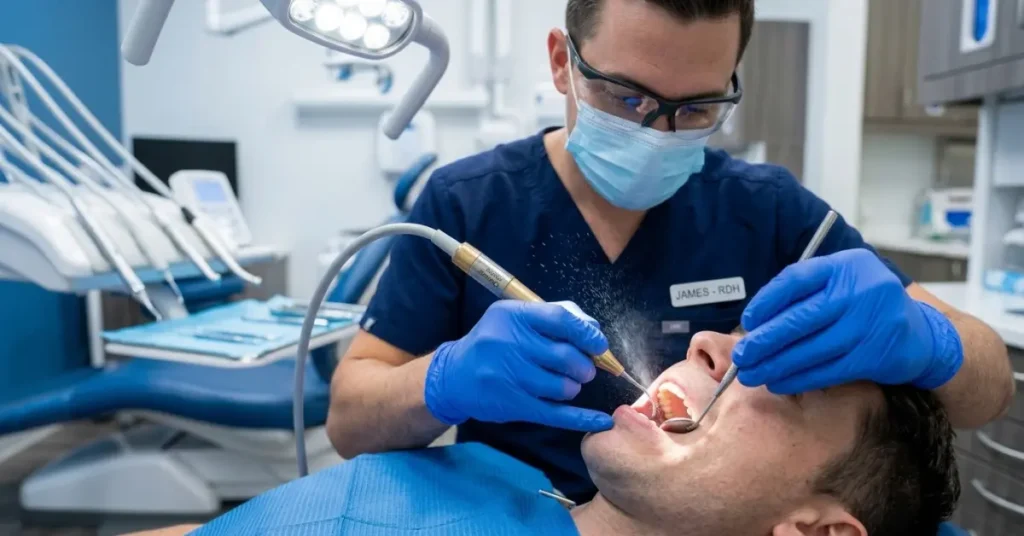
Home care alone cannot remove hardened tartar. That requires a professional visit.
Professional Cleaning
A dentist or hygienist uses specialized tools to clear plaque and tartar from areas that are difficult or impossible to reach with a toothbrush, including just below the gumline.
Scaling and Polishing
For heavier tartar buildup, scaling removes the hardened deposits while polishing smooths the enamel surface afterward, making it harder for new plaque to stick.
Can Plaque Affect More Than Your Teeth?
Oral health is closely connected to overall health. Chronic inflammation from untreated gum disease has been associated with broader health concerns, including cardiovascular issues, diabetes complications, and pregnancy-related risks. Keeping plaque under control supports more than just your smile.
Frequently Asked Questions
Can plaque cause cavities?
Yes. Plaque can cause cavities because bacteria in plaque feed on sugar and produce acids that weaken tooth enamel. Over time, repeated acid attacks can create holes in the tooth, known as cavities.
How does plaque cause tooth decay?
Plaque bacteria break down sugars from food and drinks, creating acids that remove minerals from enamel. If this process continues repeatedly, the enamel becomes weak and tooth decay can develop.
Can you get cavities even if you brush every day?
Yes. Brushing lowers cavity risk but does not remove all plaque, especially between teeth. Factors like diet, flossing habits, saliva flow, fluoride exposure, and genetics can also affect cavity development.
How long does plaque take to cause a cavity?
There is no exact timeline. Cavities develop gradually, and the speed depends on factors like sugar exposure, oral hygiene, fluoride use, saliva protection, and individual cavity risk.
Can plaque cause cavities between teeth?
Yes. Plaque can build up between teeth where a toothbrush cannot fully reach. This is why flossing is important for removing bacteria and reducing the risk of cavities in these areas.
Can removing plaque prevent cavities?
Yes. Removing plaque daily with brushing and flossing reduces acid attacks on enamel and lowers the risk of cavities. However, it cannot reverse a cavity that has already formed.
What bacteria causes cavities?
Streptococcus mutans is one of the main bacteria linked to cavities because it converts sugar into acids that can damage tooth enamel.
Does plaque always turn into cavities?
No. Plaque does not always cause cavities. Good oral hygiene, fluoride, healthy eating habits, and regular dental care can help prevent plaque from damaging teeth.
Can a cavity heal after removing plaque?
Early enamel damage may improve with fluoride and better oral care. However, once a true cavity forms and creates a hole in the tooth, it cannot heal naturally and requires dental treatment.
What happens if plaque is left on teeth?
If plaque is not removed, it can continue producing acid that damages enamel and increases the risk of cavities. Over time, it can also harden into tartar, which requires professional removal.
Conculsion:
Plaque causes cavities by producing acid that gradually breaks down tooth enamel. Early damage can sometimes be slowed or improved, but once a true cavity has formed, it needs professional treatment to repair. Brushing twice a day, flossing daily, cutting back on sugar, and keeping up with regular dental cleanings go a long way toward stopping plaque before it ever reaches that point.